Garden
by Willowbottom
More
Select a plant and describe what you’re seeing to find likely causes.
100% Organic Solutions Only
Every solution on this page uses organic methods - no synthetic pesticides, no harmful chemicals. Safe for your soil, your plants, and the wildlife that visits your garden.
Not sure what you're dealing with? Upload a photo and let Garden identify it for you.
Filter by symptom
109 pests & diseases
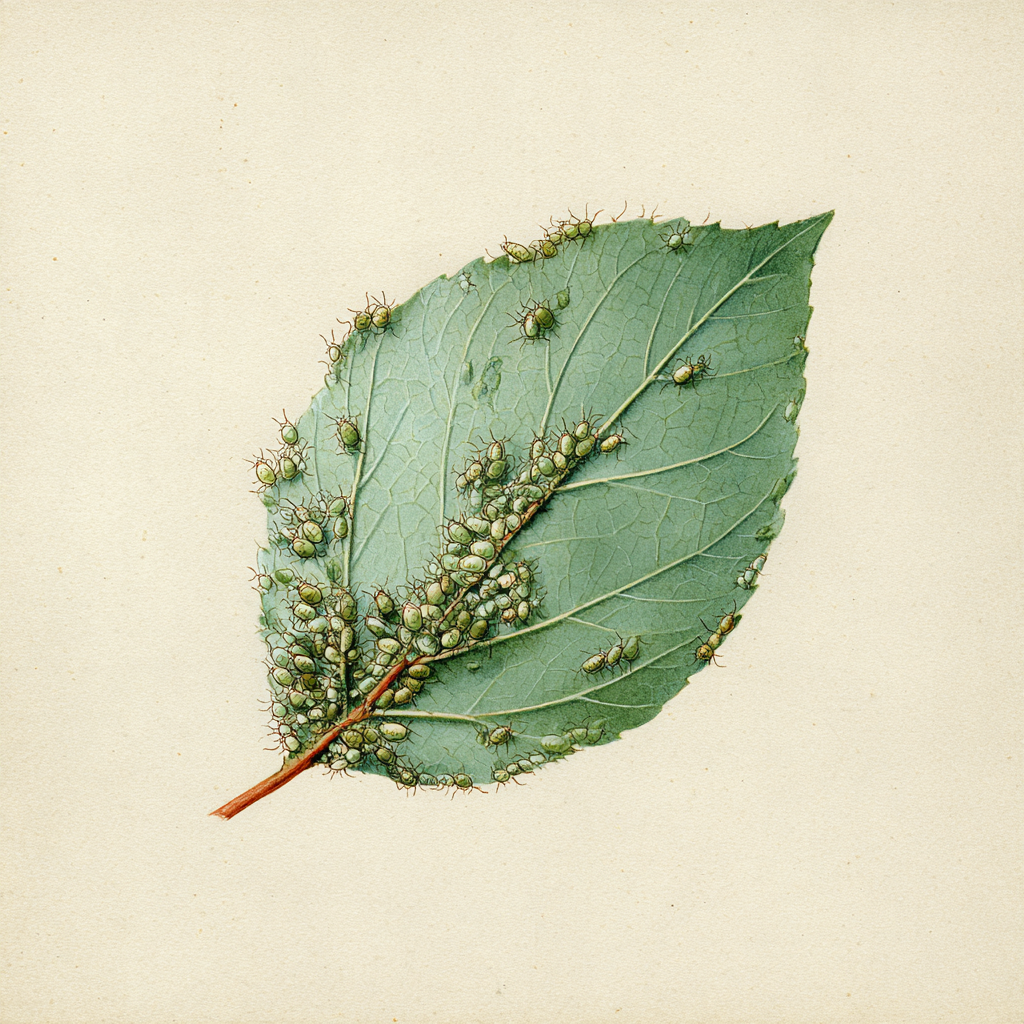
Soft-bodied sap-sucking insects 1 - 3 mm long that cluster on new growth and leaf undersides in large colonies. They can be green, black, white, or grey depending on species. In warm weather aphid populations double every few days, making early action essential.
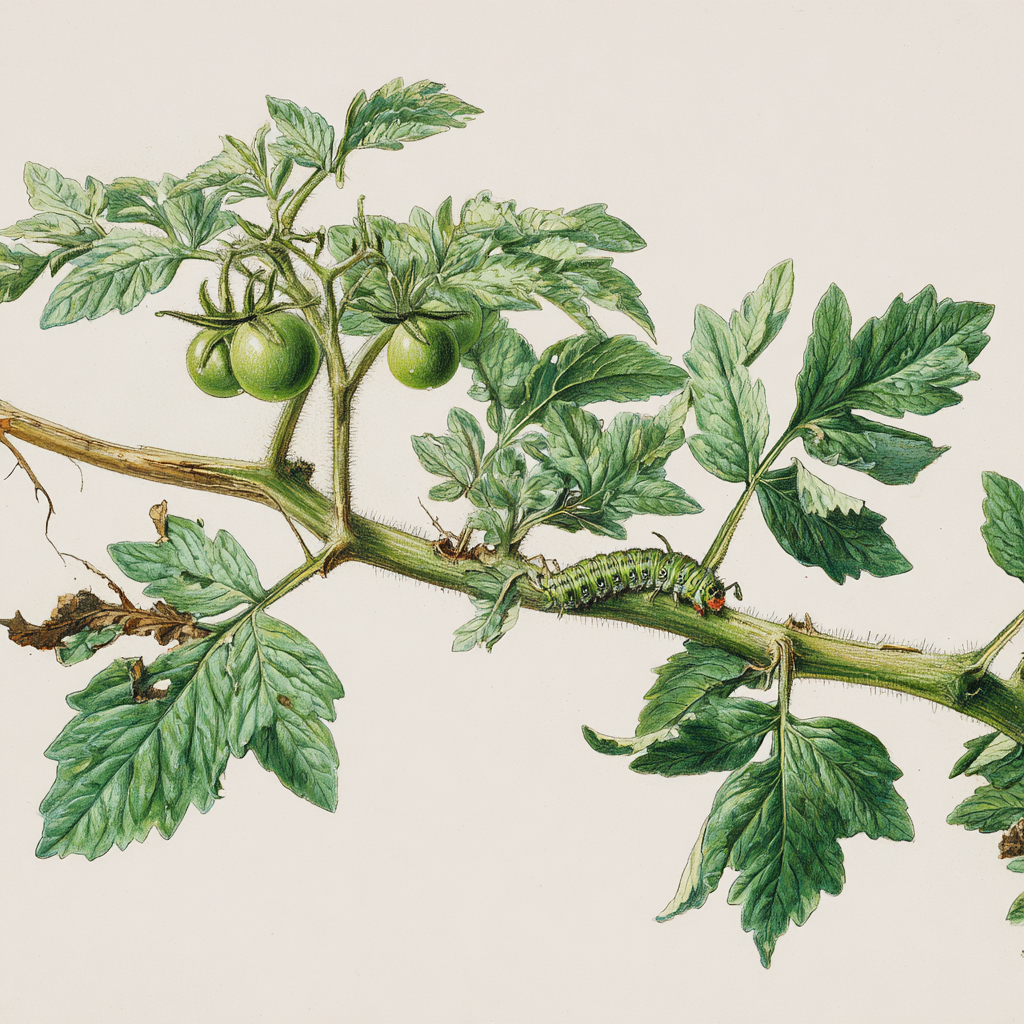
The larval stage of the Five-Spotted Hawk Moth, this caterpillar grows up to 10 cm long and is bright green with white diagonal stripes and a distinctive rear horn. Its camouflage is excellent and it can strip a tomato plant rapidly before being noticed.
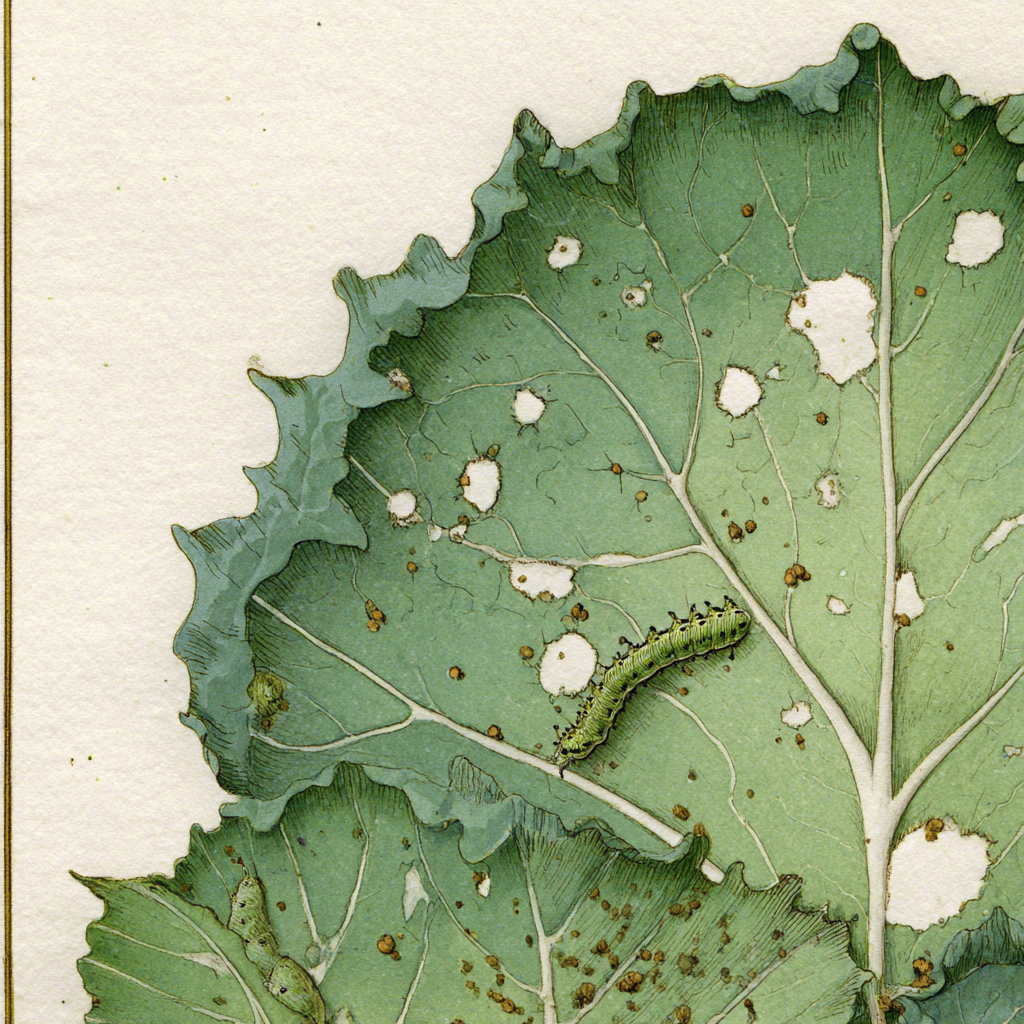
The pale green caterpillar of the Small White butterfly (Pieris rapae), typically 2 - 3 cm long and covered in fine hairs. Adults are the familiar white butterflies seen fluttering around brassicas in summer. Both larvae and eggs are superbly camouflaged against the plants they infest.
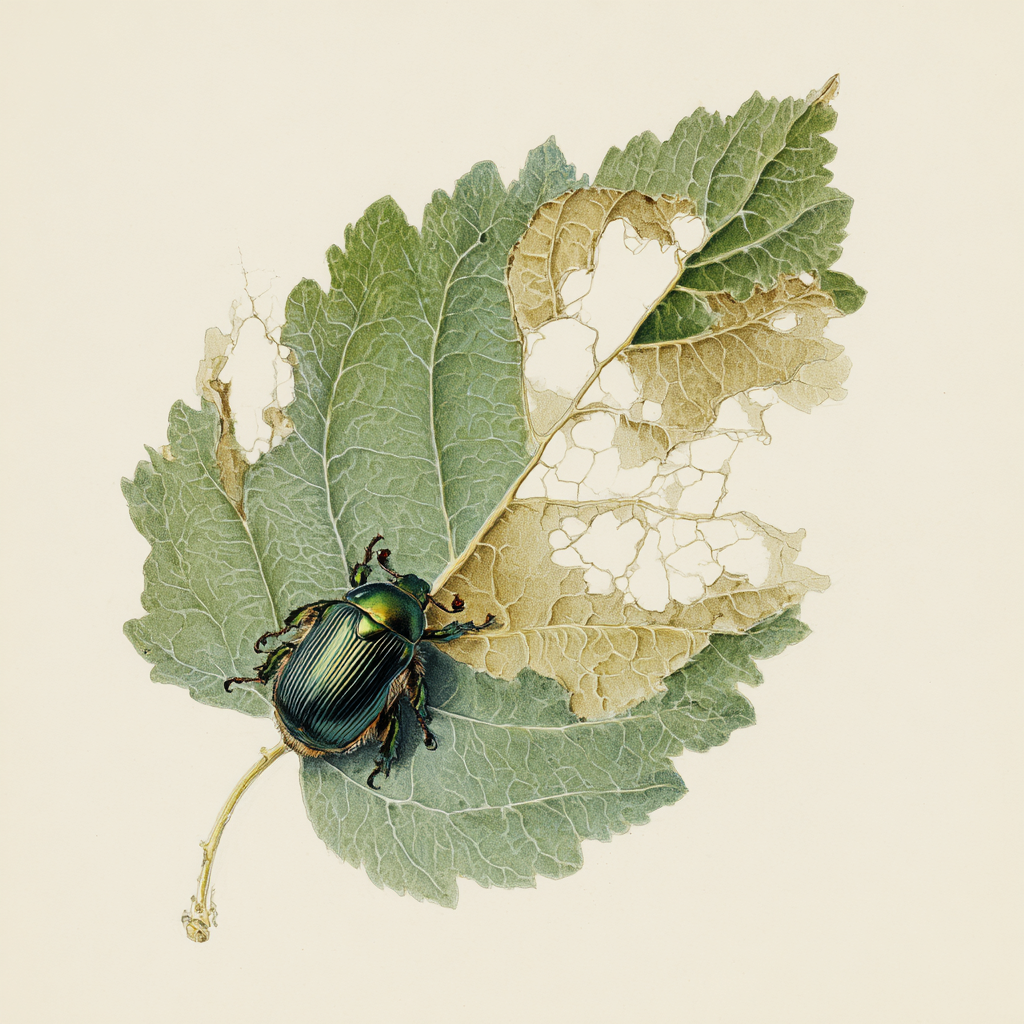
A metallic blue-green beetle with copper wing covers, about 12 mm long. Adults skeletonise leaves and damage flowers and fruit in midsummer, while their c-shaped white grubs live underground and feed on roots. They aggregate on favoured plants, and a single plant can attract dozens.
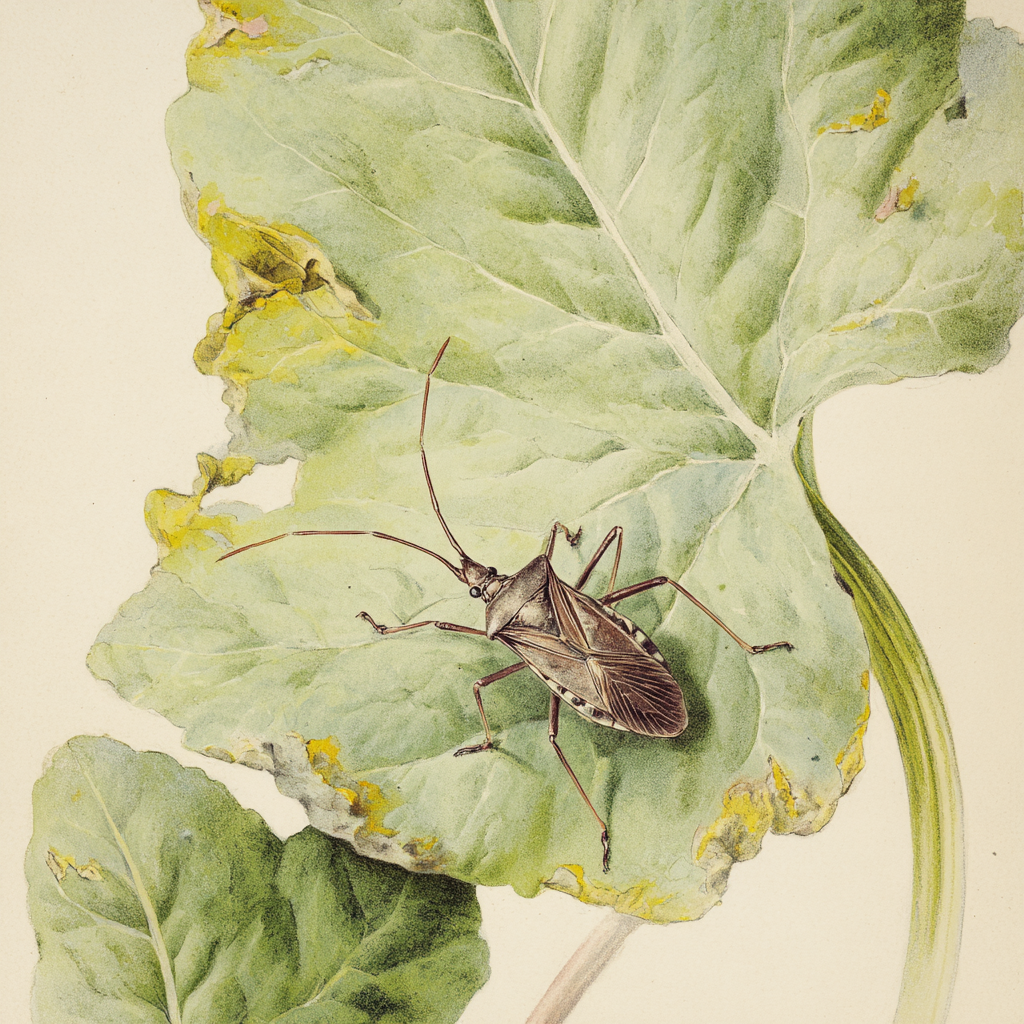
A flat, grey-brown bug about 15 mm long that overwinters as an adult in garden debris and emerges in late spring to attack cucurbit crops. By piercing plant tissue and injecting toxic saliva, it can cause rapid vine death - a problem compounded by its ability to carry cucurbit yellow vine disease.
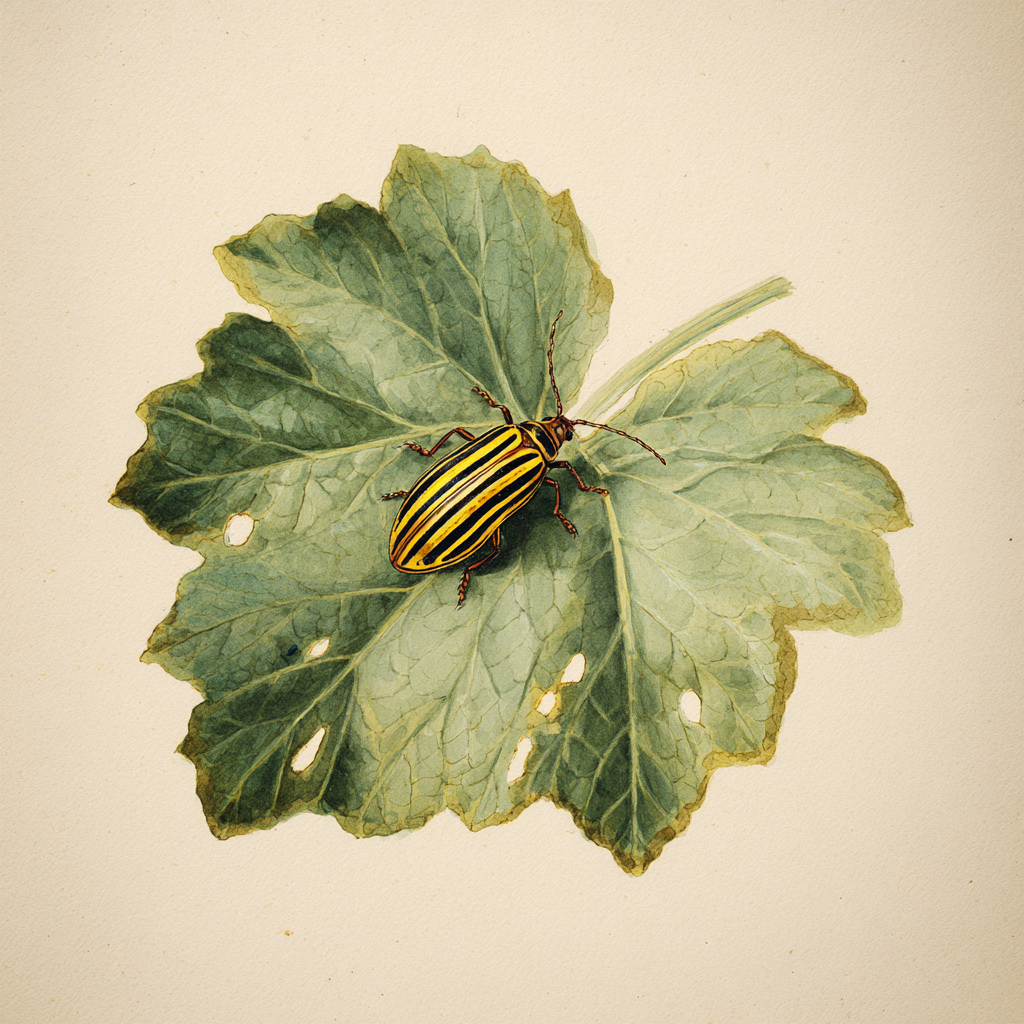
Small yellow-green beetles (6 mm) with either black spots or black stripes. Both species cause feeding damage but are most damaging as vectors of bacterial wilt and cucumber mosaic virus, which they transmit when feeding. A plant can look healthy one week and be wilting irreversibly the next after beetle feeding.
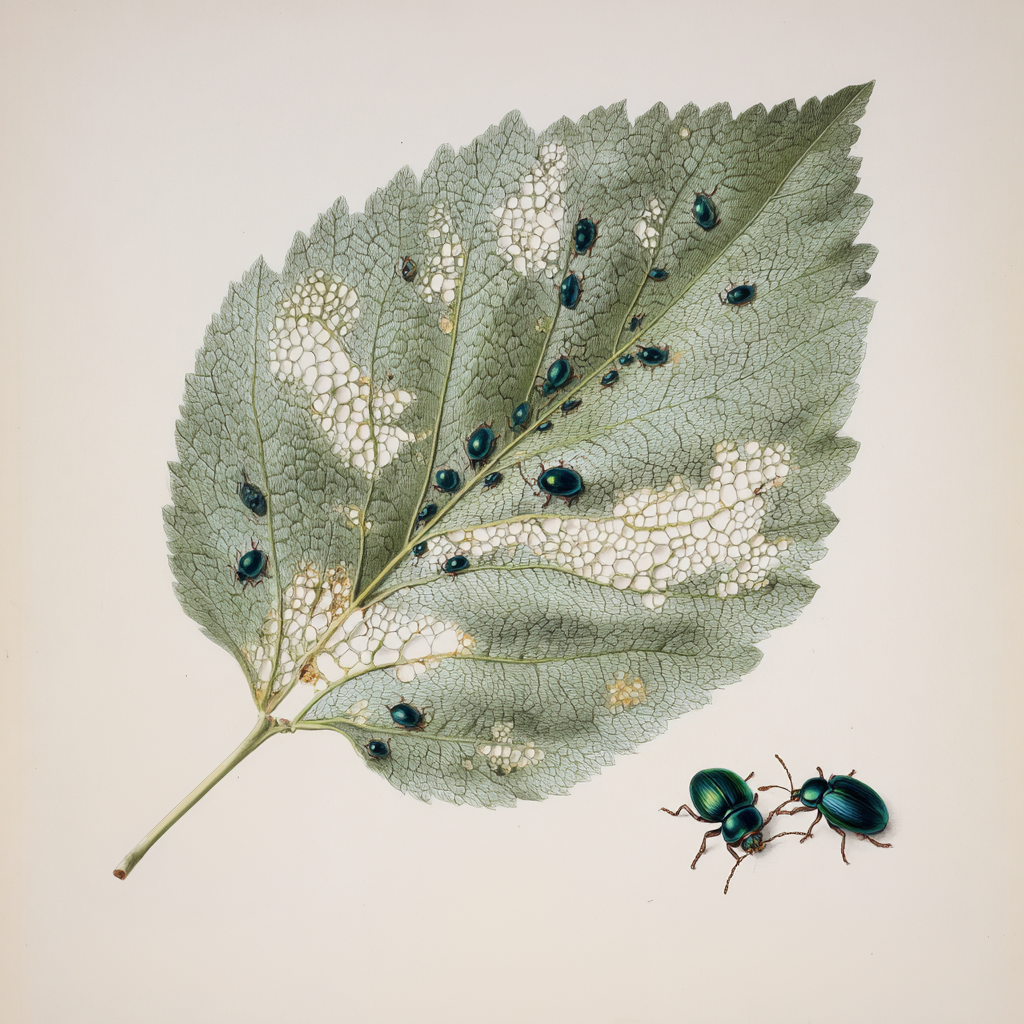
Tiny jumping beetles (1 - 3 mm) that create characteristic shotgun-blast patterns of small holes in leaves. Multiple species attack different crops; the crucifer flea beetle is most common in vegetable gardens. Seedlings are most vulnerable - adult beetles overwinter in leaf litter and emerge hungry in early spring.
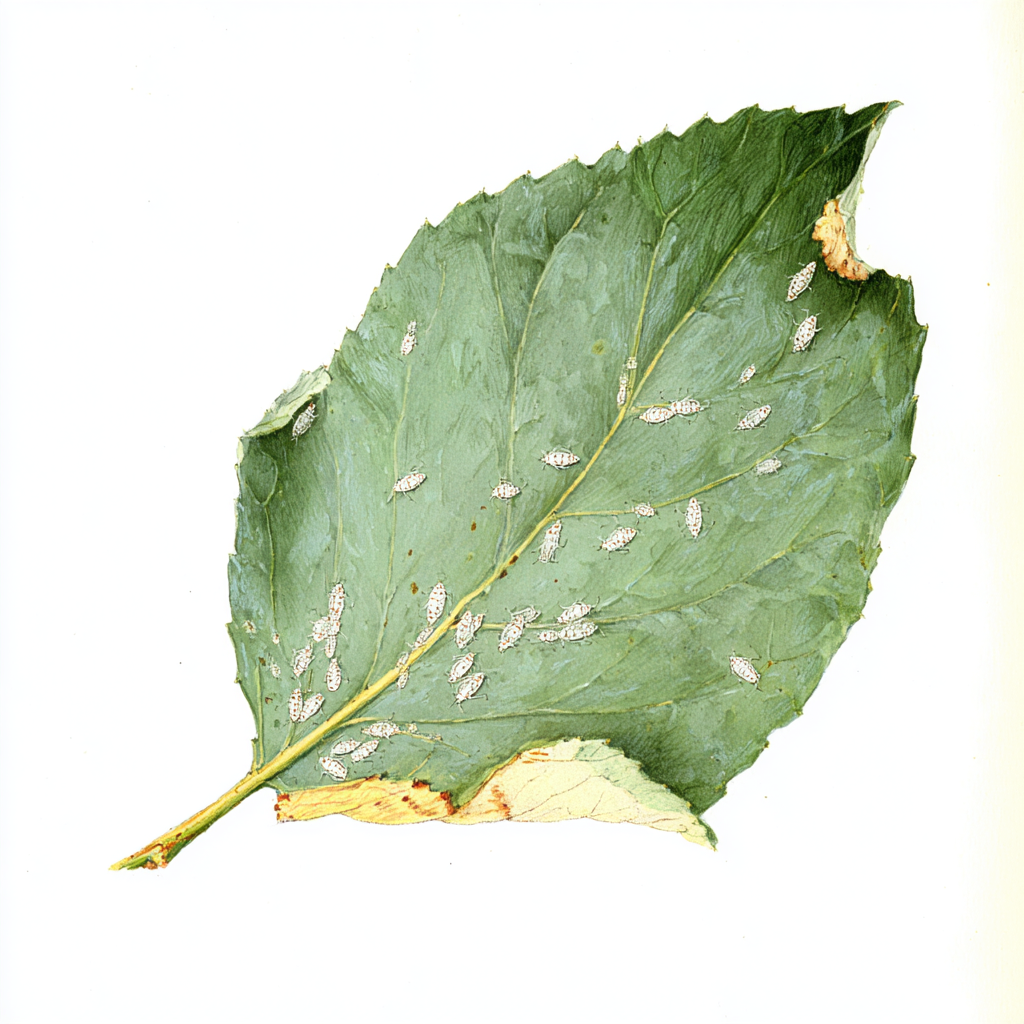
Tiny (1 - 2 mm) white-winged sap-sucking insects that cluster in large numbers on leaf undersides. They excrete sticky honeydew, promote sooty mould, and can spread plant viruses. Populations build extremely rapidly in warm, sheltered conditions and are a particular challenge in greenhouses and polytunnels.
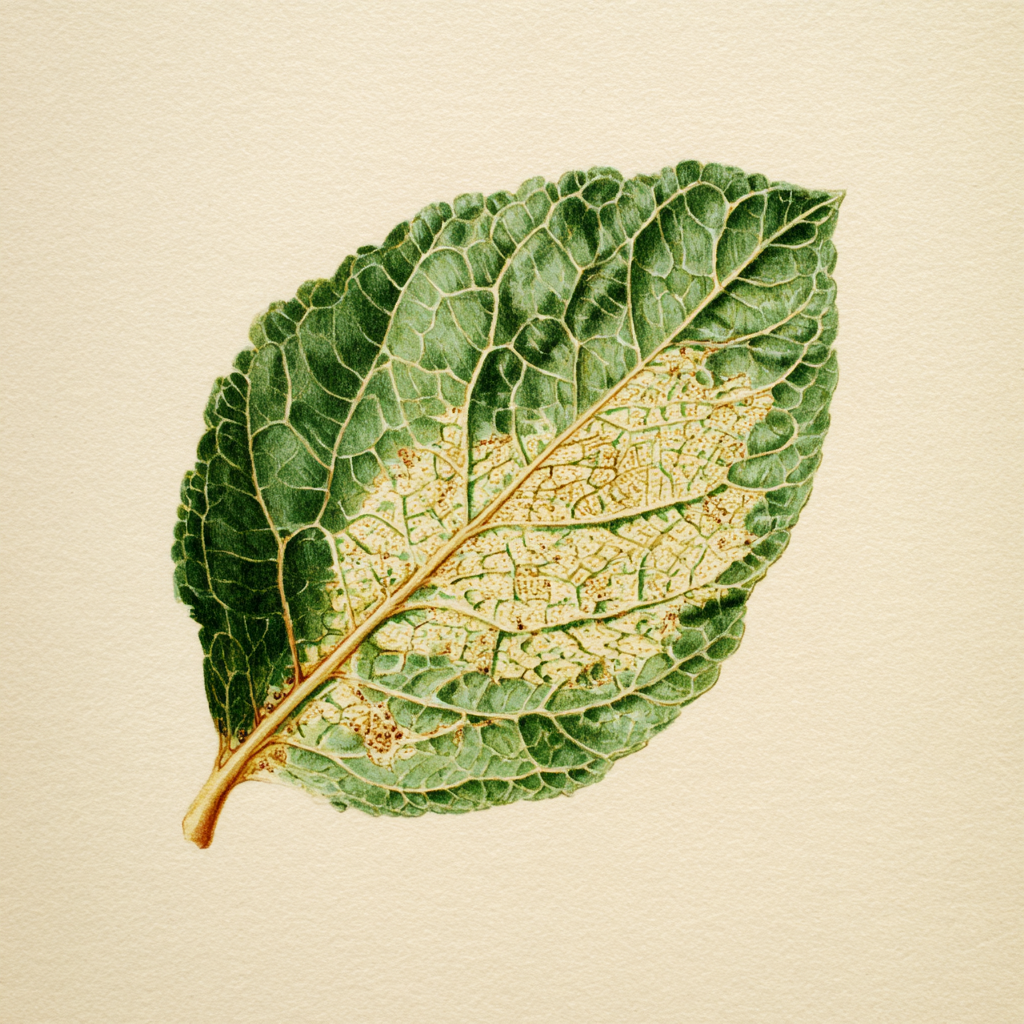
Microscopic eight-legged arachnids (not technically insects) that pierce plant cells to feed on sap. Nearly invisible to the naked eye, they are most problematic in hot, dry weather and can build to devastating population densities within days. The fine webbing they produce is often the first sign of a significant infestation.
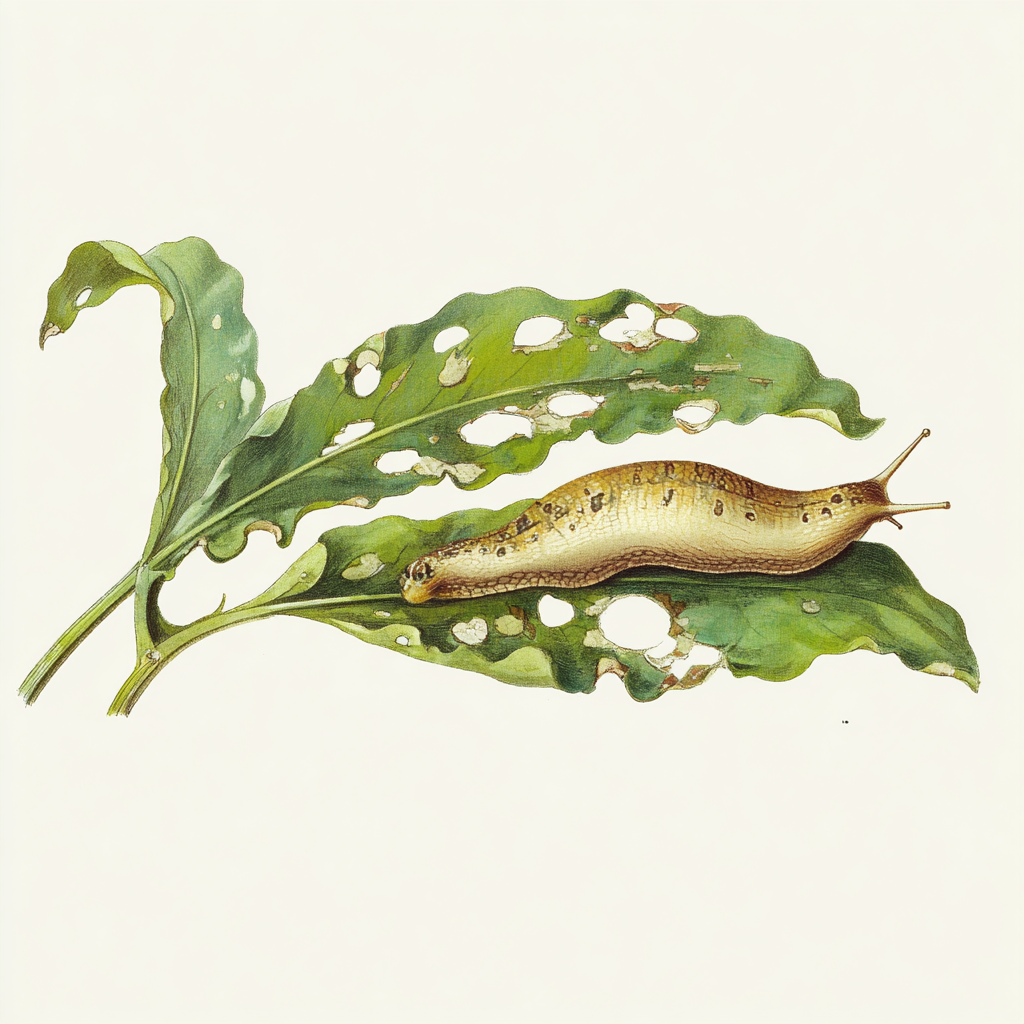
Soft-bodied molluscs that rasp holes in plant tissue using a toothed radula tongue. They are nocturnal and most active in wet weather and mild temperatures. Seedlings and low-growing soft-leaved crops are most vulnerable, and a single night's activity can destroy an entire bed of newly transplanted lettuces.
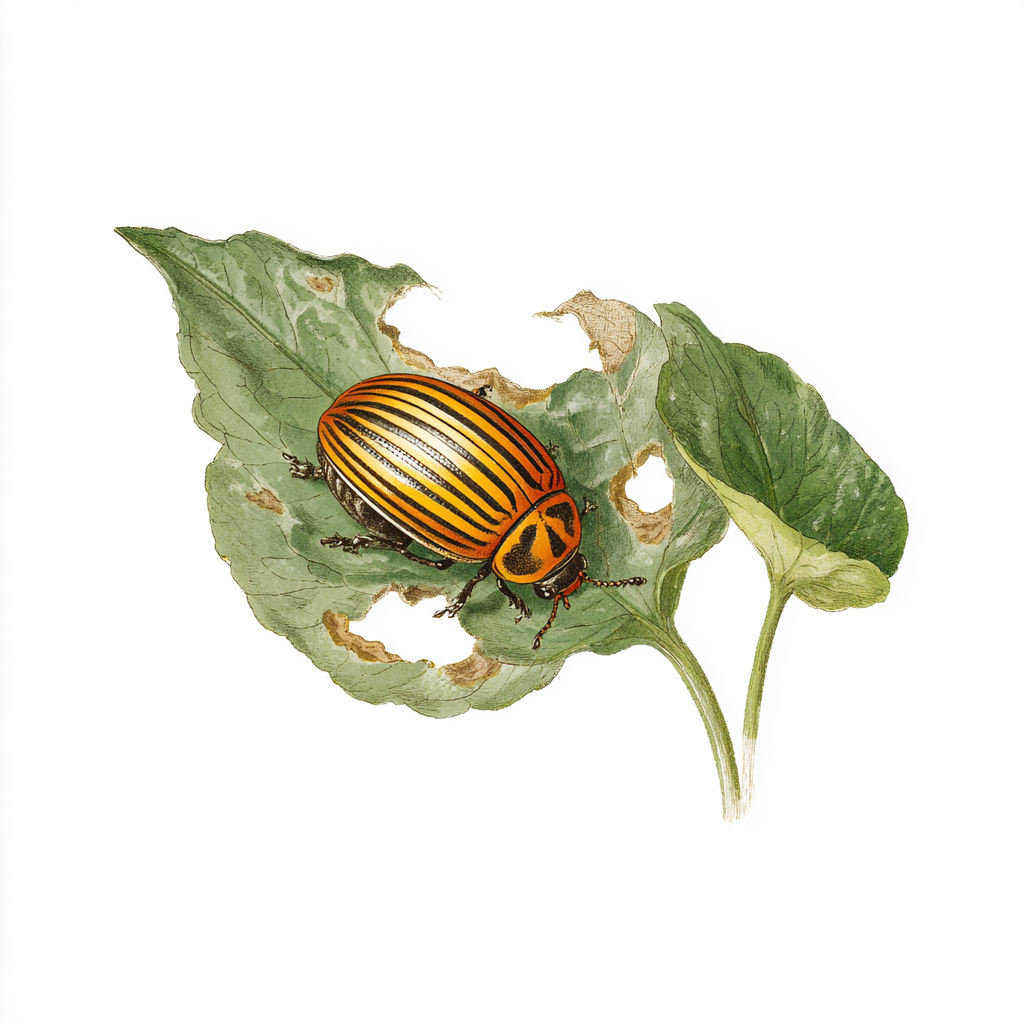
A distinctive beetle with cream wings boldly striped in black, about 10 mm long. Both adults and the bright orange-red larvae cause severe defoliation of nightshade family plants. It can develop resistance to insecticides rapidly, making organic management approaches more durable than chemical options.
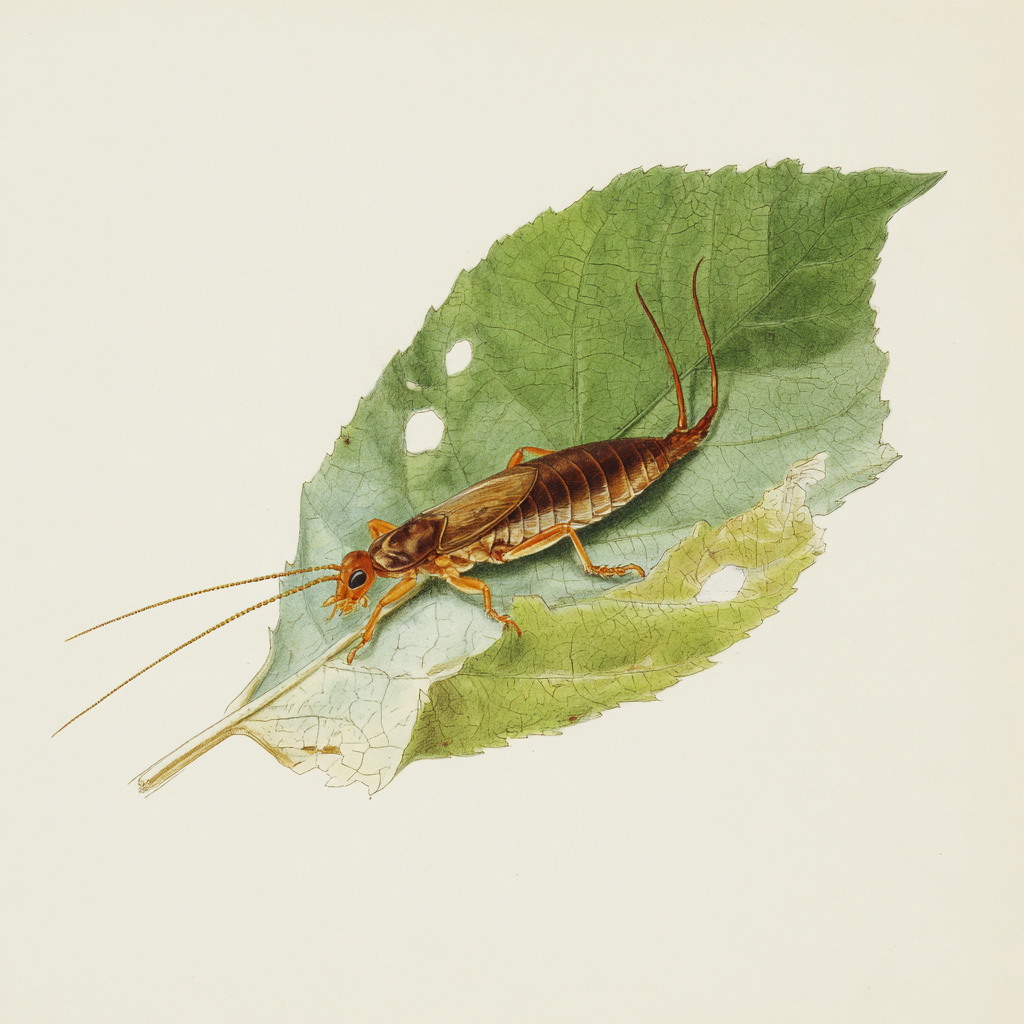
Brown nocturnal insects (12 - 15 mm) with characteristic rear pincers. They are omnivores - they eat both plant material and pest insects including aphids, mites, and small caterpillars. In most gardens they are more beneficial than harmful; significant damage occurs only when populations are very high or plants are already stressed.

The larva of a small grey-brown moth (Cydia pomonella), 12 - 20 mm long and cream-coloured with a brown head. Adults emerge in late spring and lay eggs on developing fruit or leaves. Larvae tunnel directly to the core to feed on seeds, leaving a telltale entry hole plugged with brown frass. It is the most economically significant apple pest worldwide.

The larva of Rhagoletis pomonella, a small fly with banded wings. Adults emerge from mid-June onwards and females use a needle-like ovipositor to insert single eggs just under the fruit skin. Larvae are white, legless maggots 6 - 8 mm long that burrow through the flesh in winding tunnels, causing the fruit to rot from inside. Primarily a pest in eastern North America.

Eriosoma lanigerum is a reddish-purple aphid, 1 - 2 mm long, covered in dense white woolly wax it secretes for protection. It forms dense colonies on bark wounds, pruning cuts, and branch crotches aboveground, and on roots belowground. Root colonies cause the most serious long-term damage, forming knotty galls that disrupt water and nutrient uptake.

Comstock's scale (Quadraspidiotus perniciosus) is a 1 - 2 mm armoured scale insect that encrusts bark, twigs, and developing fruit. The individual scale is circular, grey, and has a yellow or orange centre. It is barely visible individually but builds up to form bark-encrusting layers that sap tree vigour. Heavily infested trees decline over several seasons before the cause is identified.

Conotrachelus nenuphar is a small, mottled brown weevil, 5 - 6 mm long, with a distinctive curved snout and four bumps on its back. Adults emerge from overwintering sites around apple petal fall and feed on and lay eggs in young developing fruit. After egg-laying, the female cuts a crescent-shaped scar around each egg site, a distinctive identification mark. The larva develops inside the fruit, causing it to drop prematurely.

Fat, grey or brown caterpillars up to 5 cm long that curl into a C-shape when disturbed, found just below the soil surface near plant stems.

Tiny slender insects 1 - 2 mm long, straw-yellow to dark brown, that rasp leaf surfaces and feed on the cell contents, leaving a distinctive silvery sheen.

White, fat caterpillars up to 2.5 cm long found inside squash stems; the adult is a wasp-mimicking moth with an orange and black abdomen.

Stout caterpillars up to 4 cm long, variable in colour from pale green to brown or reddish, found feeding inside corn ears, tomato fruits, and pepper pods.

Shield-shaped bugs 12 - 17 mm long, mottled brown or green, that pierce plant tissue and inject saliva, causing corky or dimpled damage to fruit.

Small wedge-shaped insects 3 - 6 mm long, pale green to yellow, that jump rapidly when disturbed and feed by sucking sap from leaf undersides.

Small white legless fly larvae 6 - 8 mm long found tunnelling through roots and bulbs; adults resemble small grey houseflies and lay eggs at plant bases.

Shiny orange-brown, tough-skinned beetle larvae up to 25 mm long found tunnelling through roots, tubers, and bulbs in the soil.

Microscopic roundworms that invade root tissue and cause the plant to form swollen galls, disrupting water and nutrient uptake throughout the whole plant.

Larvae of small flies or moths that tunnel between upper and lower leaf surfaces, leaving visible winding or blotch-shaped pale trails inside the leaf.

Cream-coloured caterpillars up to 25 mm long with brown head capsules that bore into corn stalks, pepper stems, and other thick-stemmed plants.

Light green caterpillars up to 4 cm long that arch their body into a loop as they walk; they feed voraciously on brassica leaves, often leaving only the midribs.

A small fly whose larvae mine through leek and onion leaves and pupate inside the stems, leaving distinctive white puncture marks and causing stems to rot.

Distinctive black beetles 6 - 8 mm long with cream-and-red spotted wing cases, and their grey grubs, that strip asparagus foliage from spring through autumn.

Small oval beetles about 6 mm long, variable in colour from red to tan or yellow, that chew circular holes in bean leaves and sometimes feed on pods.

Larvae of a small fly that infest blueberry fruits, causing them to shrivel and drop prematurely; infested berries look normal externally until squeezed.

A small black fly whose cream larvae tunnel through carrot roots from the outside in, creating rusty brown tunnels and enabling rot to set in.

A small banded-wing fly whose larvae tunnel inside cherry fruits, causing premature drop; infested cherries often look sound until cut or squeezed.

A tiny moth whose larvae mine silvery serpentine trails into young citrus leaves, causing them to curl and distort as the tissue is consumed.

A small tortricid moth whose larvae attack grape clusters in three generations, first binding flower parts, then boring into green berries, then feeding in ripe fruit.

Brightly coloured red and black shield bugs about 9 mm long that inject toxic saliva into brassica tissue as they feed, causing wilting and white blistered patches.

A copper-coloured ladybug-like beetle with 16 black spots; both adults and yellow spiny larvae skeletonise bean leaf undersides, leaving only the veins.

A grey fly resembling a small housefly whose larvae tunnel into the base of onion bulbs and roots, causing plants to collapse and rot.

A small grey moth whose larvae attack shoot tips in spring and then bore into developing fruit from early summer onwards, causing them to drop or rot.

Tiny jumping insects 2 - 3 mm long that produce large quantities of sticky honeydew on pear leaves, promoting sooty mould and weakening the tree.

Microscopic aphid-like insects that attack grape roots and sometimes leaves, forming galls and disrupting nutrient uptake, causing progressive vine decline.

A small brown beetle 4 mm long whose cream larvae feed inside raspberry, blackberry, and loganberry fruits, making them unpalatable at harvest.

Wasp-like insects whose caterpillar-like larvae strip gooseberry, currant, and other woody plant foliage, sometimes defoliating entire plants within days.

An invasive fruit fly that unlike common vinegar flies lays eggs in intact ripening soft fruits, causing rapid internal rot and making fruit unmarketable.

A small moth whose caterpillars feed in sunflower florets and developing seed heads, tunnelling through the developing seeds and leaving webbing and frass.

Dull black beetles 9 mm long whose cream larvae with brown heads devastate roots and crowns in pots and beds, causing sudden plant collapse in late summer.

Dense colonies of shiny black aphids 2 mm long that mass on the tips of broad beans, spinach, and related plants, causing shoot distortion and sticky honeydew.

A bronze-brown weevil 3 - 4 mm long whose larvae tunnel in a C-pattern through carrot taproots and crowns, causing plants to collapse and roots to rot.

A small fly whose larvae create blotchy, discoloured mines inside celery and parsley leaves, turning leaves papery and reducing plant vigour.

A small native Australian wasp whose larvae develop inside citrus stems, forming woody elongated galls that weaken branches and reduce fruit production.

The caterpillars of the scarlet tiger moth and related species that feed on comfrey foliage; feeding is rarely severe enough to harm established plants.

A large metallic green or copper-green scarab beetle up to 35 mm long that feeds on ripe figs and soft fruit, tearing open skin to access sweet flesh.

The caterpillar of the black swallowtail butterfly, bright green with black and yellow banding, found on carrot family plants; it becomes the beautiful swallowtail butterfly.

A small moth whose caterpillars burrow into pea pods and feed on the developing seeds, often going undetected until the pod is opened at harvest.

A small grey-brown weevil 4 - 5 mm long that grazes distinctive U-shaped notches from the leaf margins of peas and broad beans in spring.

A small dark weevil 2 - 3 mm long whose larvae develop inside pepper fruits, causing them to turn yellow and drop prematurely well before maturity.

A striking blue and black butterfly whose caterpillars bore into pomegranate fruits and flower buds, causing premature fruit drop and reducing yield significantly.

Slender white beetle larvae up to 12 mm long that feed on corn roots, pruning them to stubs and causing plants to lodge and fall over in wind.

A beautiful metallic green and purple striped beetle 6 - 8 mm long, along with its grey striped larvae, that strips rosemary, lavender, and thyme foliage.

Flat or domed immobile insects that attach to stems and leaves beneath a protective waxy shell, sucking sap and excreting honeydew that promotes sooty mould.

A slender weevil with a blue-black body and orange-red legs whose larvae tunnel through sweet potato roots and stems, making tubers inedible.

A clearwing moth whose larvae bore into the base of grape vines and other woody plants, girdling stems and causing sudden wilting or complete cane death.

Social wasps that in late summer shift from eating insects to feeding on sugar, boring into ripe soft fruit and grapes and enlarging existing damage rapidly.
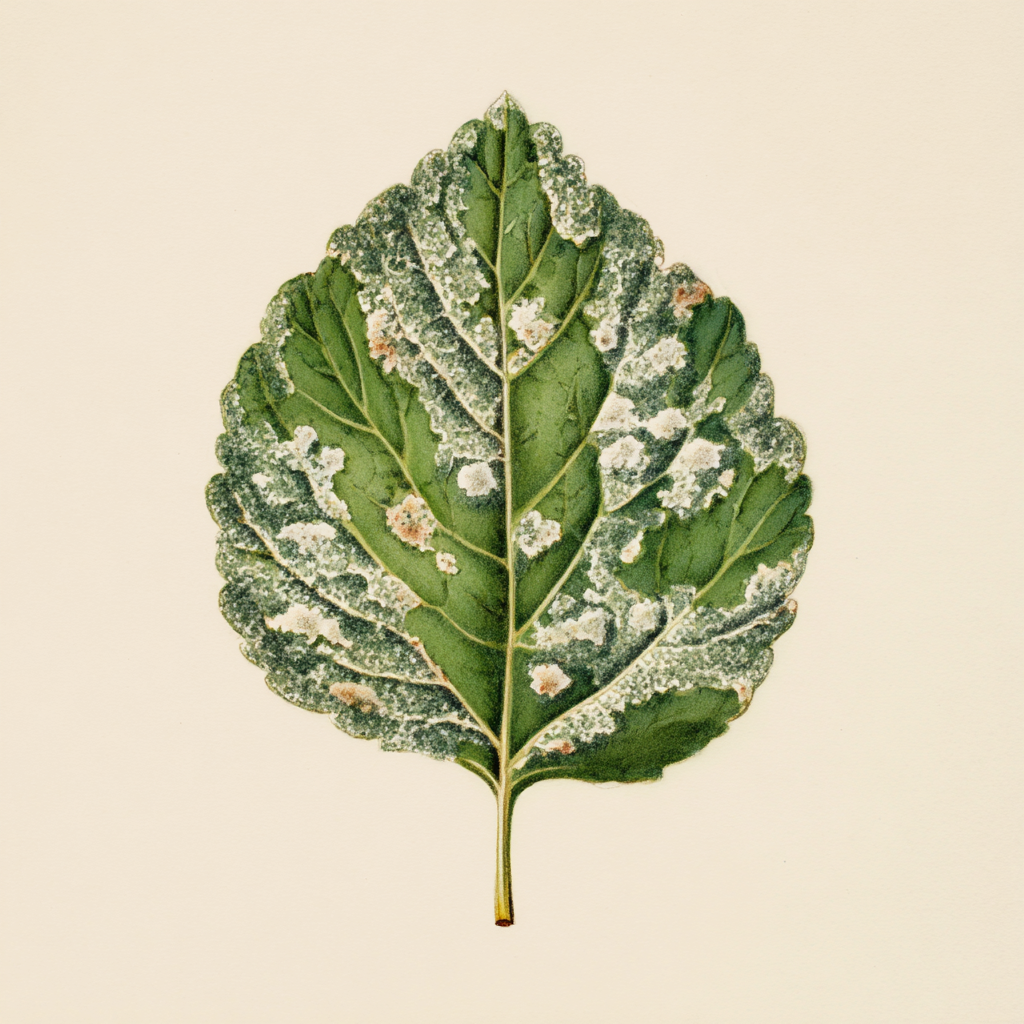
One of the most common fungal diseases in the garden, caused by several related species. Unlike most fungi, powdery mildew actually thrives in warm, dry weather with poor air circulation, rather than in wet conditions. It affects an enormous range of crops and is almost universal in humid temperate climates.
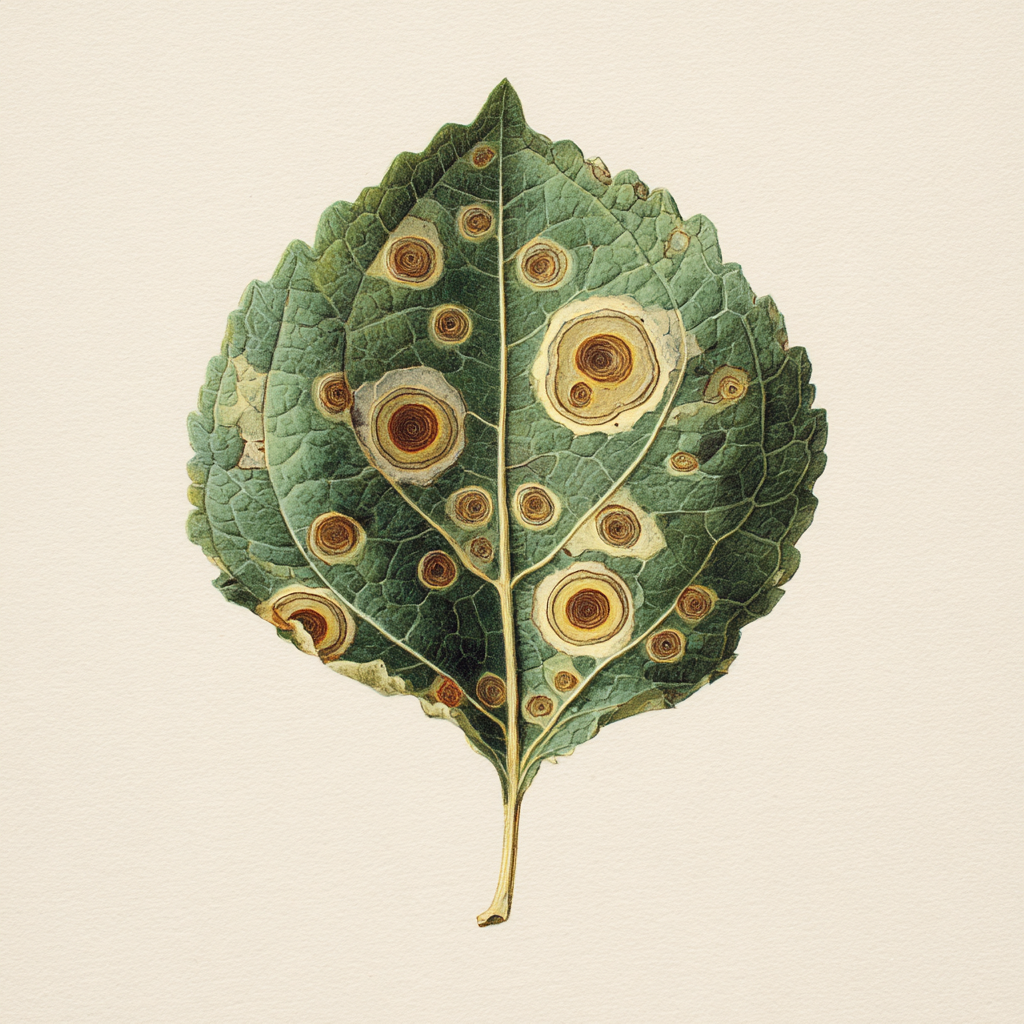
A fungal disease caused by Alternaria solani that affects tomatoes and related crops. It begins on the oldest lower leaves and progressively moves up the plant over the season. It rarely kills established plants outright but reduces vigour, causes premature defoliation, and can significantly reduce yield.
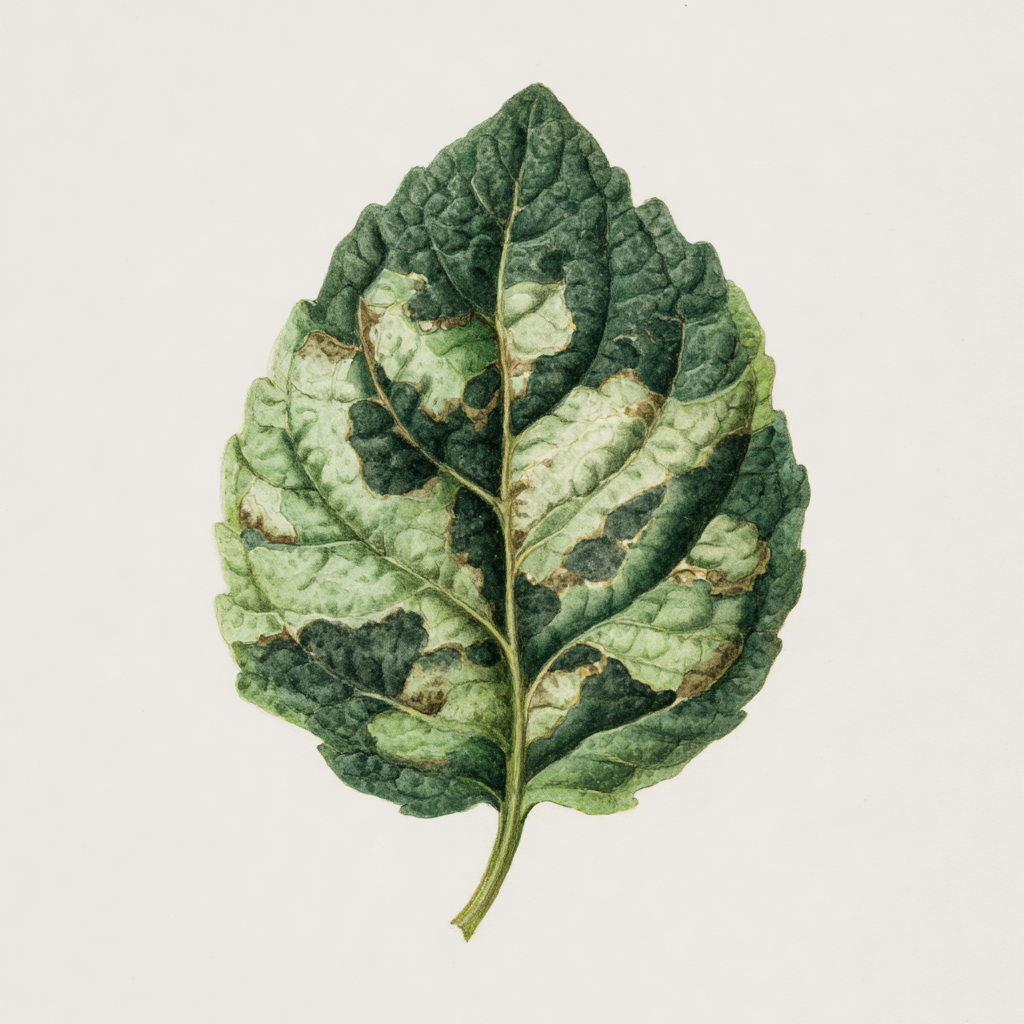
The most destructive disease of tomatoes and potatoes worldwide, caused by the water mould Phytophthora infestans - the same organism responsible for the Irish Potato Famine. In cool, wet weather it can kill an entire plant within days. Once it is established in a planting, complete loss is possible.
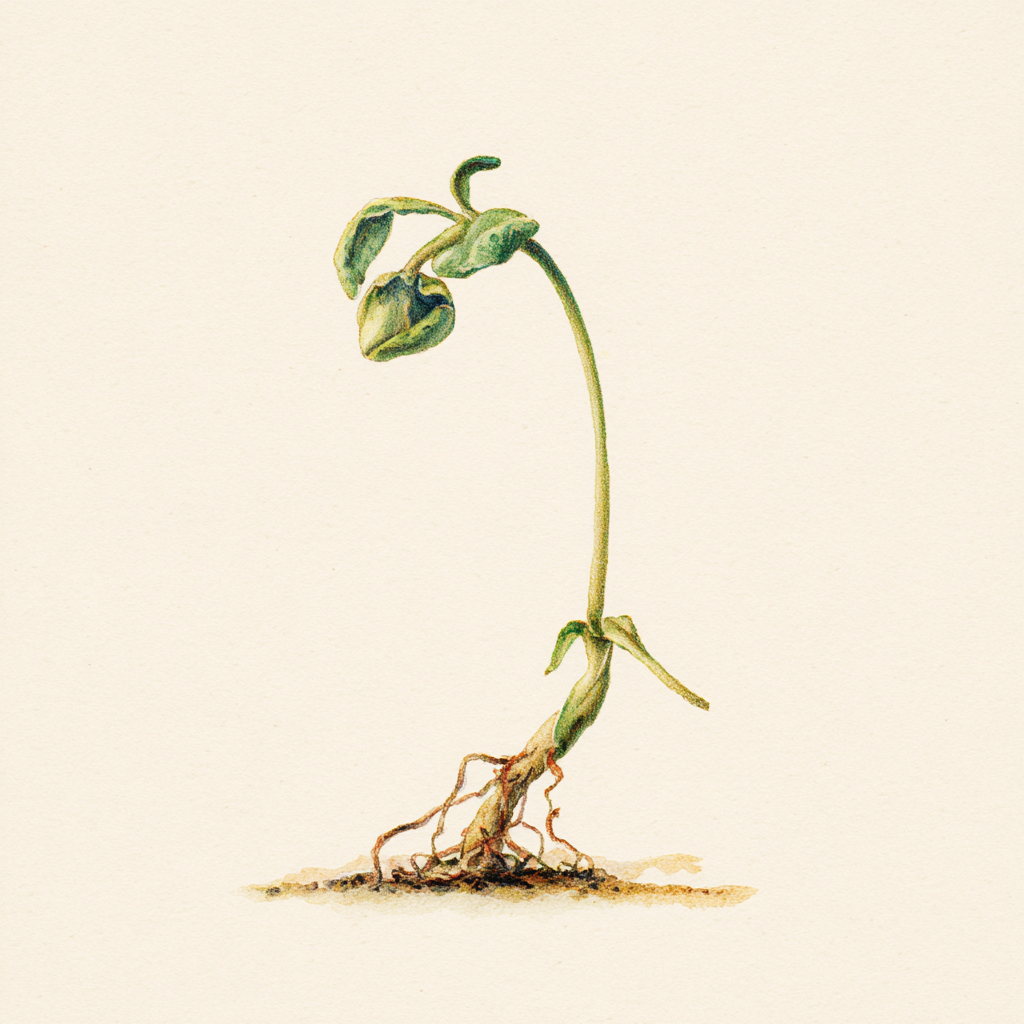
A collective term for seedling collapse caused by soil fungi and water moulds (Pythium, Fusarium, Rhizoctonia) that attack seeds and seedlings at or below the soil surface. It is the most common cause of seedling death in indoor propagation and is caused almost entirely by overwatering and poor airflow - both of which are fully preventable.
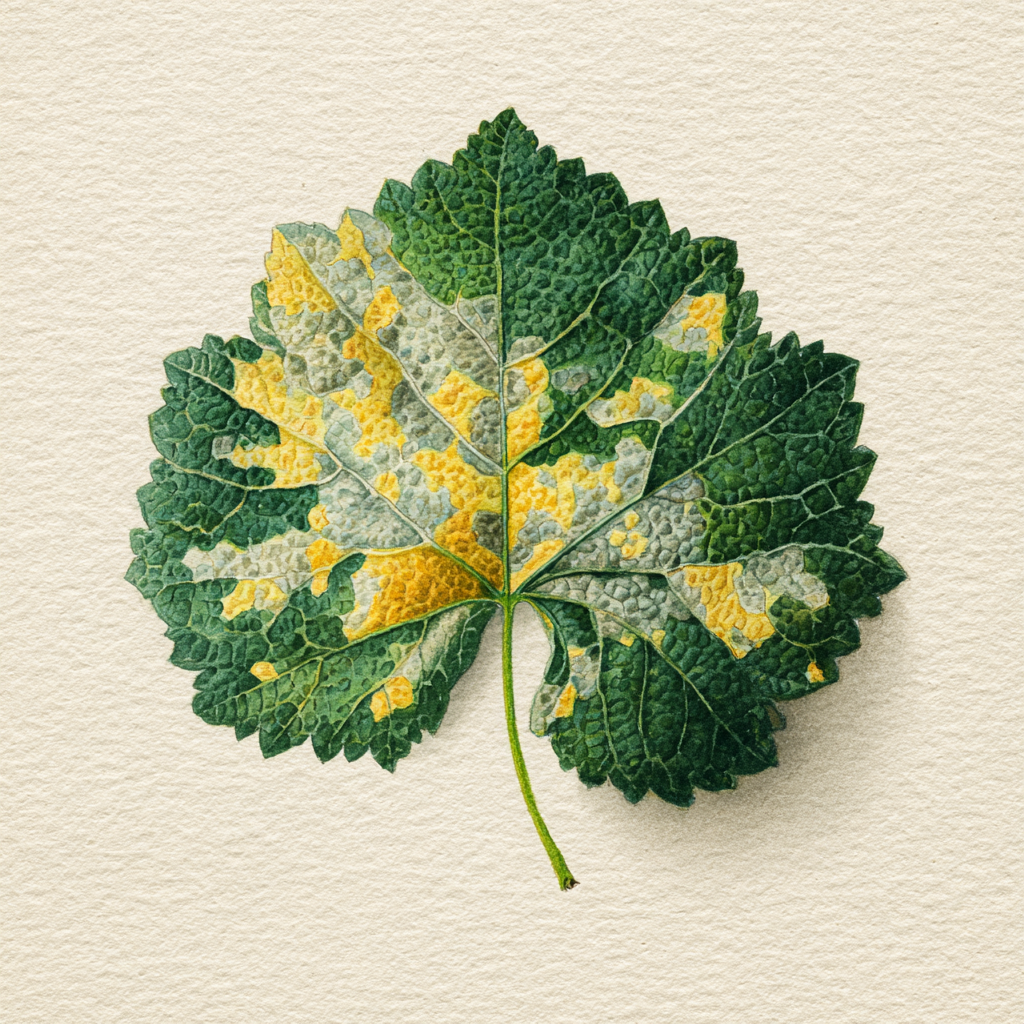
A water mould (oomycete) disease that, despite its name, is not closely related to powdery mildew. It thrives in the opposite conditions - cool, wet, and humid weather - and different strains are specific to different plant families. It can be confused with powdery mildew but the spore growth is on the underside of leaves, not the top.

Erwinia amylovora is a highly destructive bacterial disease that spreads rapidly in warm, wet conditions during flowering. The bacteria enter through flowers, young shoots, and wounds, and move through the vascular tissue. Infected shoots take on a characteristic burnt, scorched appearance and bend into a distinctive "shepherd's crook" at their tips. A severe outbreak can destroy a significant portion of a tree's canopy in a single season.
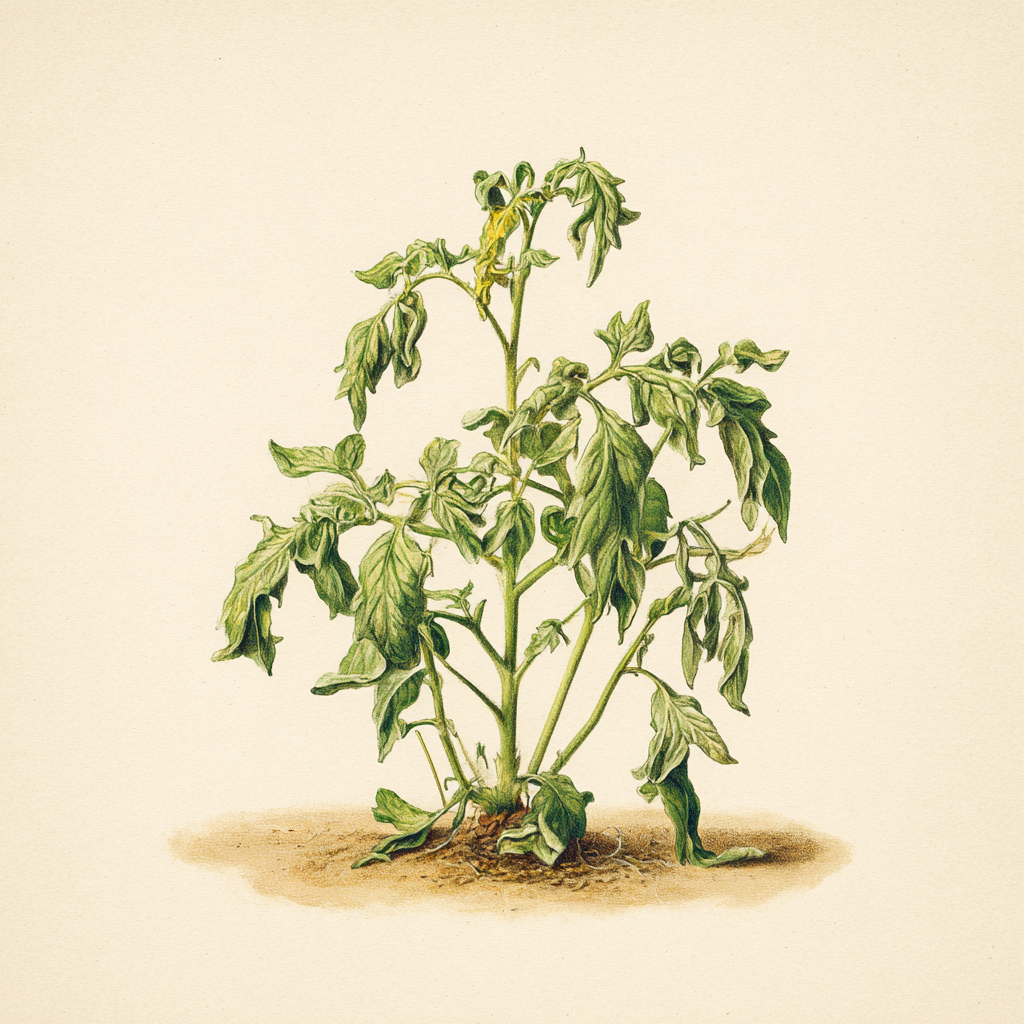
A bacterial disease caused by Erwinia tracheiphila, transmitted exclusively by cucumber beetles as they feed. The bacteria colonise the plant's water-conducting xylem vessels, blocking water movement and causing rapid collapse. There is no treatment once a plant is infected - prevention and cucumber beetle management are the only defences.
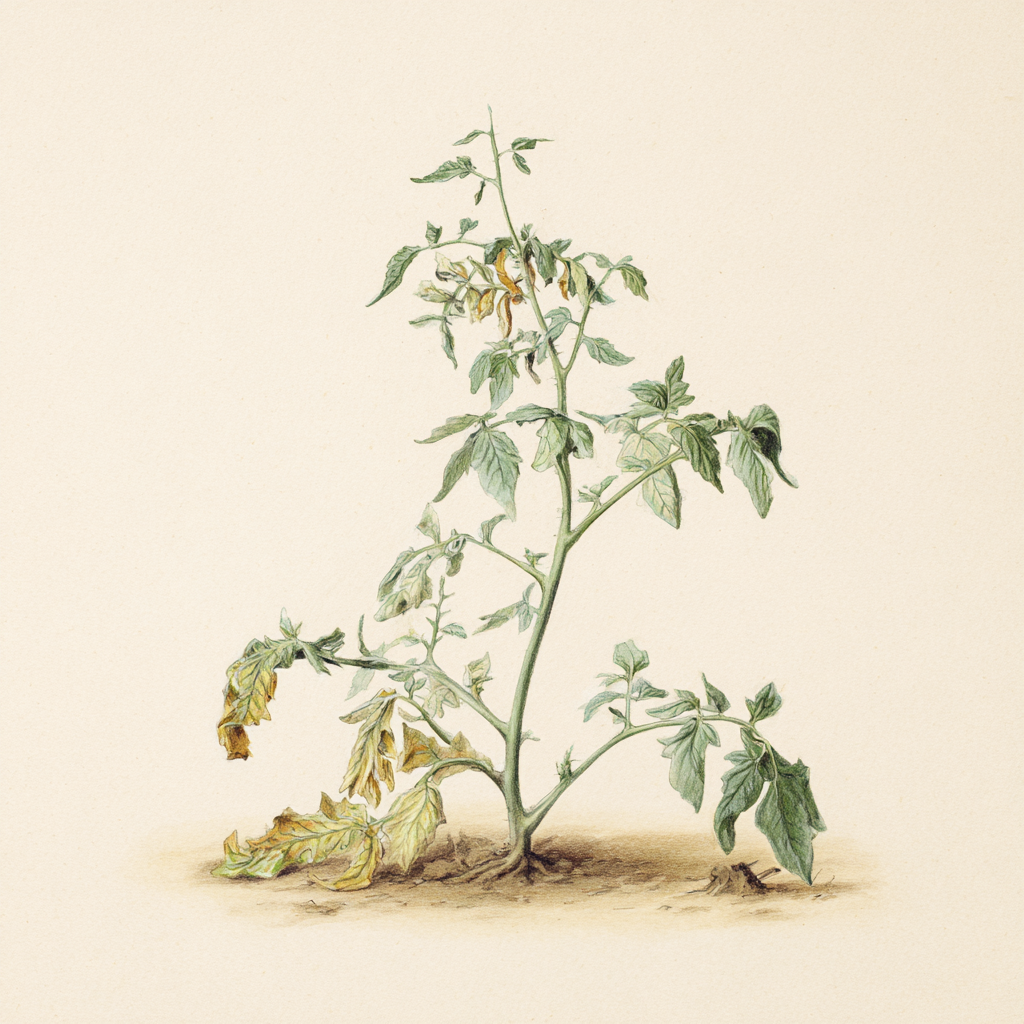
A soil-borne fungal disease caused by Fusarium oxysporum with many crop-specific strains. The fungus enters through the roots and colonises the vascular system, blocking water transport. It can persist viable in soil for 20 years or more, making rotation planning critical for affected beds.
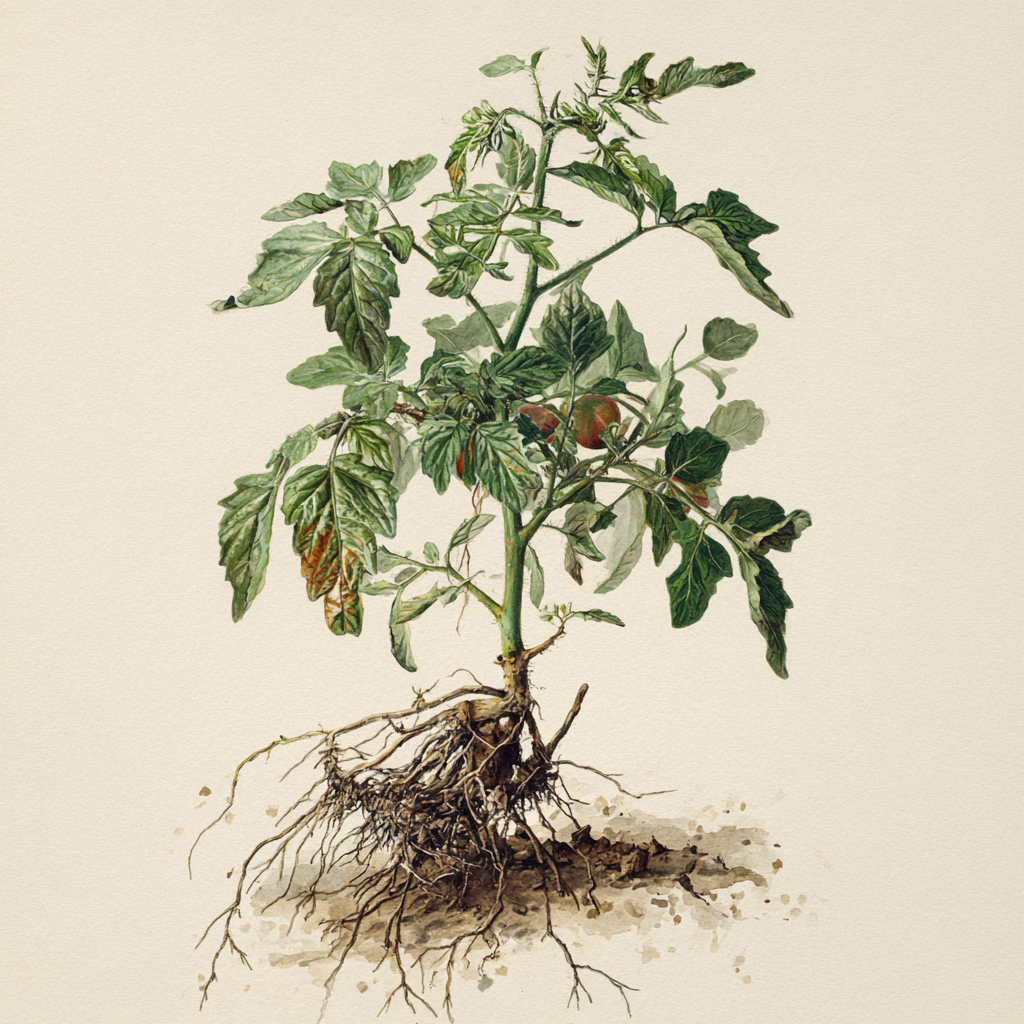
A collective term for root disease caused by water moulds and fungi (primarily Pythium and Phytophthora) that attack roots in waterlogged or poorly-drained soils. It is almost entirely a condition-driven problem - the pathogens are ubiquitous in soil, but only cause disease when plants are kept too wet. Improving drainage resolves most cases.
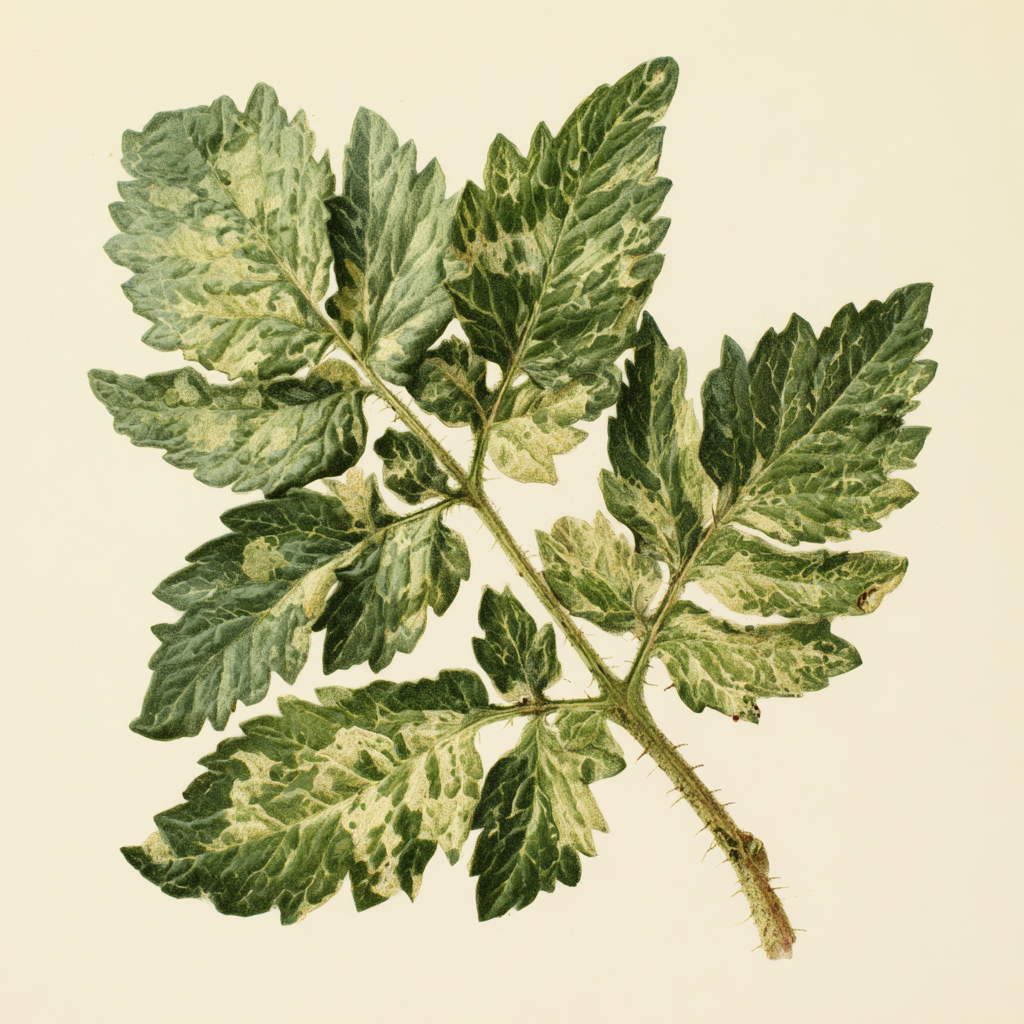
A family of plant viruses transmitted primarily by aphids that cannot be cured once a plant is infected. Multiple species infect different hosts - Cucumber Mosaic Virus, Tomato Mosaic Virus, and Tobacco Mosaic Virus are among the most common. Management focuses entirely on prevention and immediate removal of infected plants.
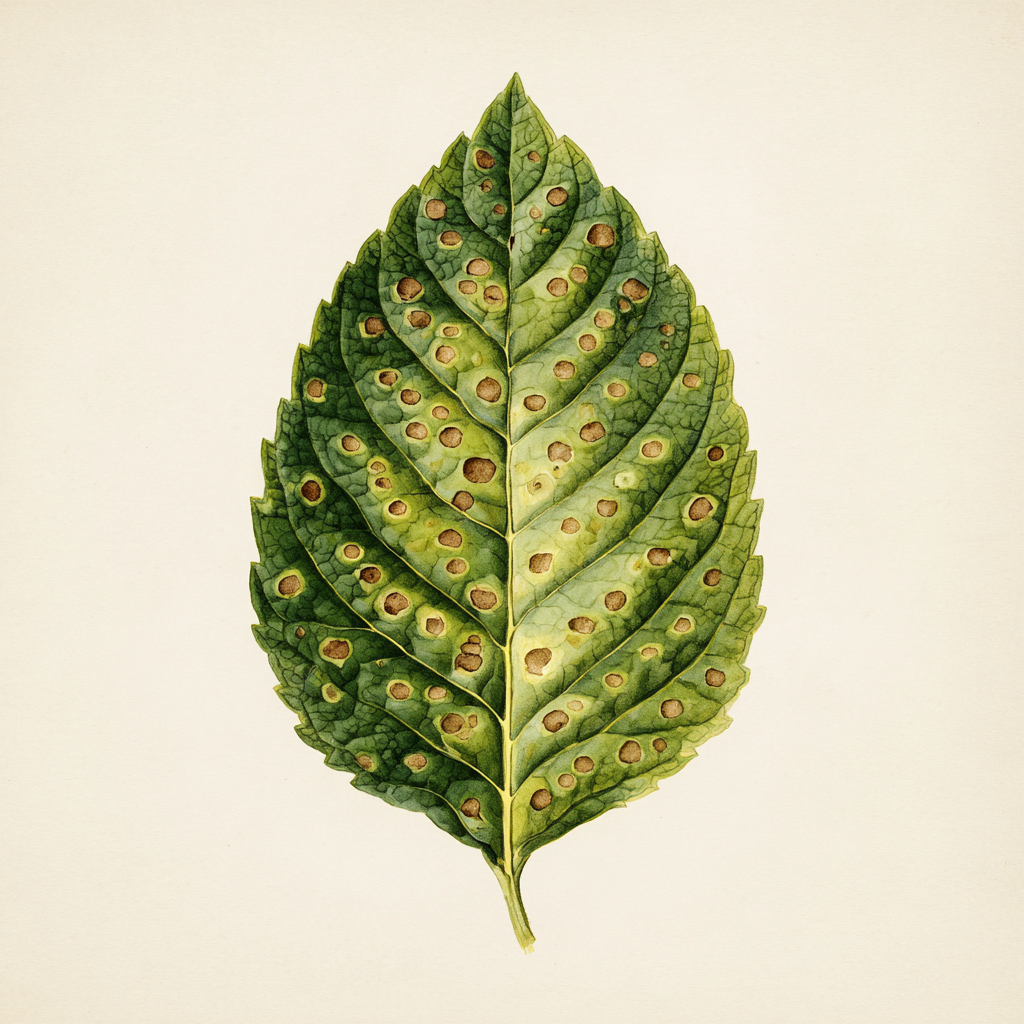
A fungal disease caused by Septoria lycopersici that is one of the most common foliar diseases of tomatoes worldwide. While it rarely kills plants outright, it causes progressive defoliation that reduces photosynthesis, weakens plants, and reduces yield. The spores live in infected debris in the soil and are splash-distributed to lower leaves.

A phytoplasma disease spread by leafhoppers that distorts and yellows flowers and foliage, often causing a bushy witches-broom appearance in affected plants.

A bacterial disease of stone fruits causing sunken oozing cankers on branches, shot-hole in leaves, and blossom dieback, often girdling branches completely.

A bacterial disease causing angular water-soaked spots on leaves bounded by leaf veins, which turn brown and may fall out leaving ragged holes.

A soil-borne slime mould disease that infects brassica roots, causing large distorted swollen galls that prevent normal water and nutrient uptake.

A virus spread by aphids causing fruit pulp to become dry and woody with little juice, leaves to mottle and distort, and overall vine decline.

A bacterial disease of stone fruits causing dark water-soaked spots on leaves, fruit, and twigs, leading to defoliation and surface scarring of fruit.
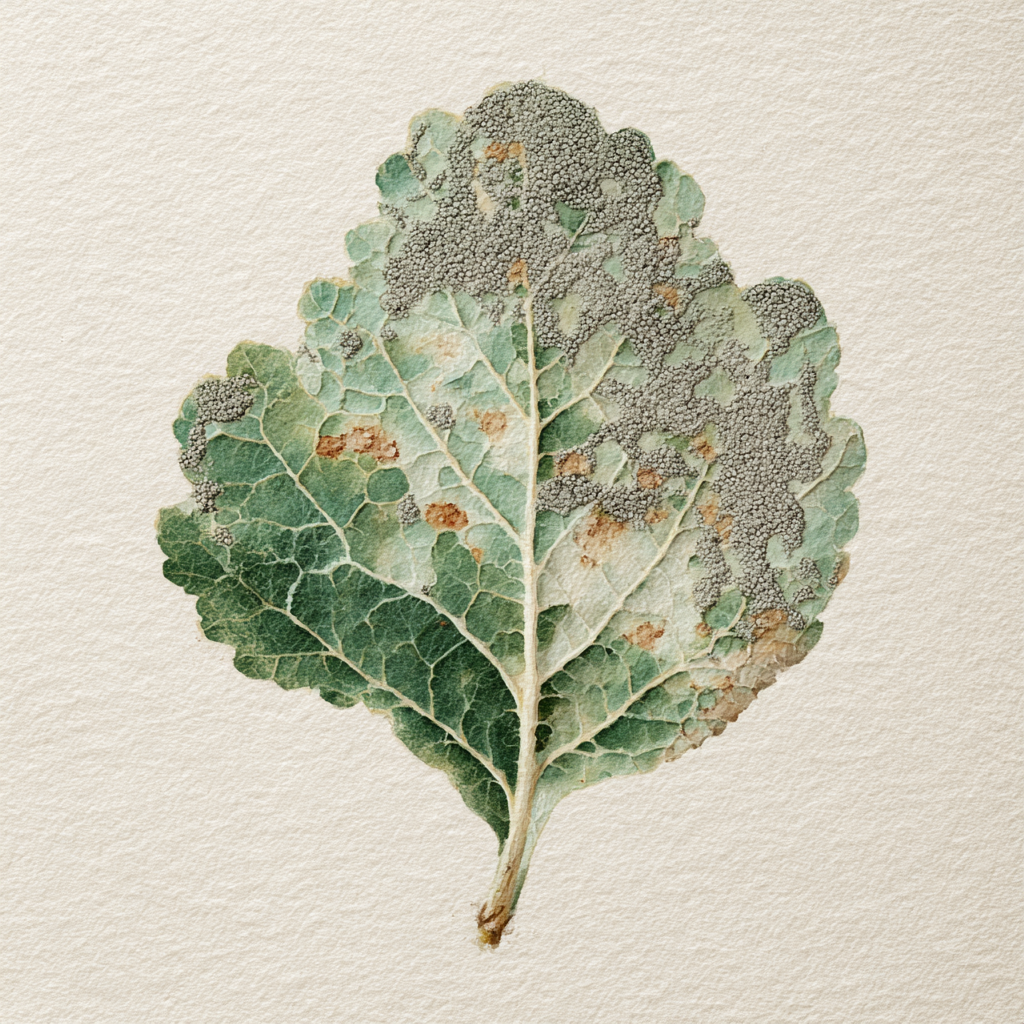
Botrytis cinerea is one of the most widespread fungal diseases affecting both garden plants and stored produce. It infects primarily through damaged, dying, or senescent tissue and spreads rapidly in cool, humid, still-air conditions. Soft fruits - strawberries, raspberries, grapes - are particularly vulnerable at harvest.
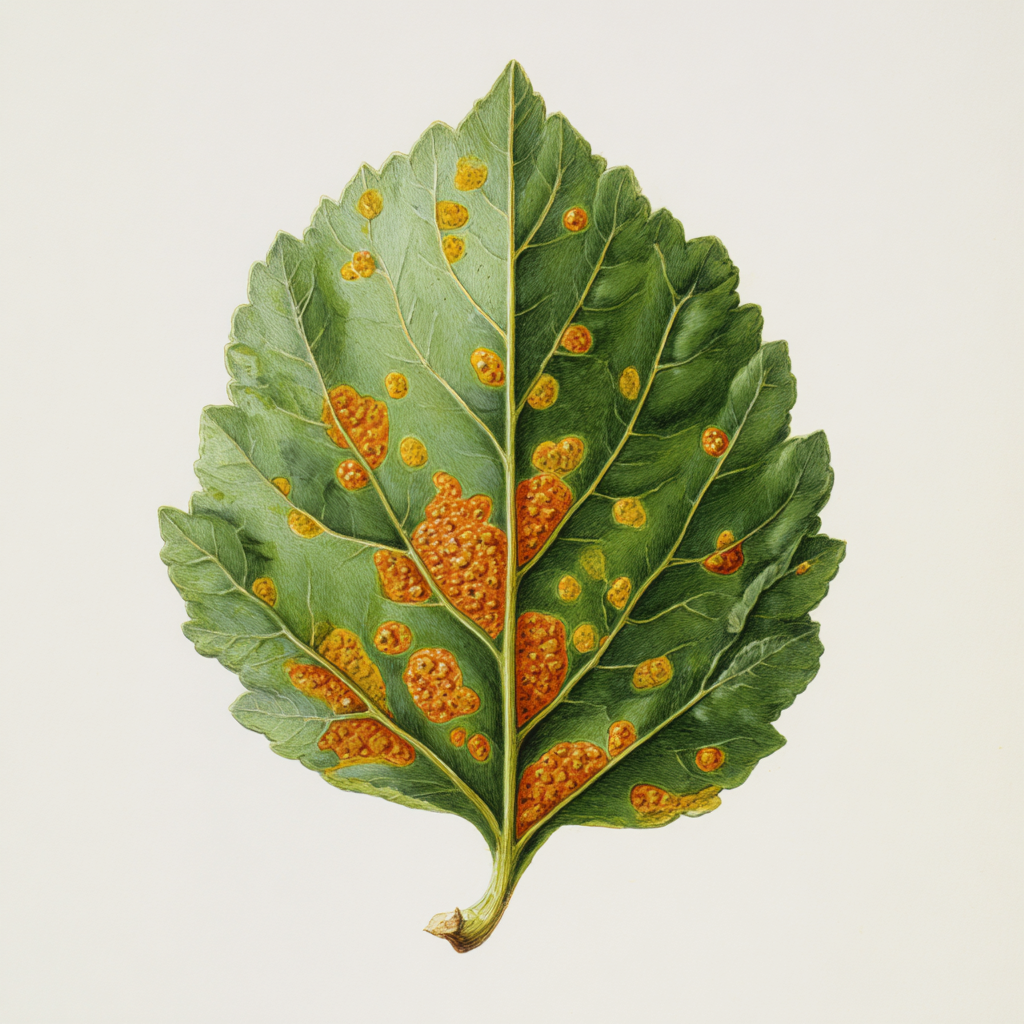
A large group of highly host-specific fungal diseases producing characteristic rust-orange powdery pustules on leaf surfaces. Each rust species infects a particular host plant. Leek rust, allium rust, and mint rust are among the most common in vegetable and herb gardens. Rust weakens plants and causes premature leaf drop in severe cases.
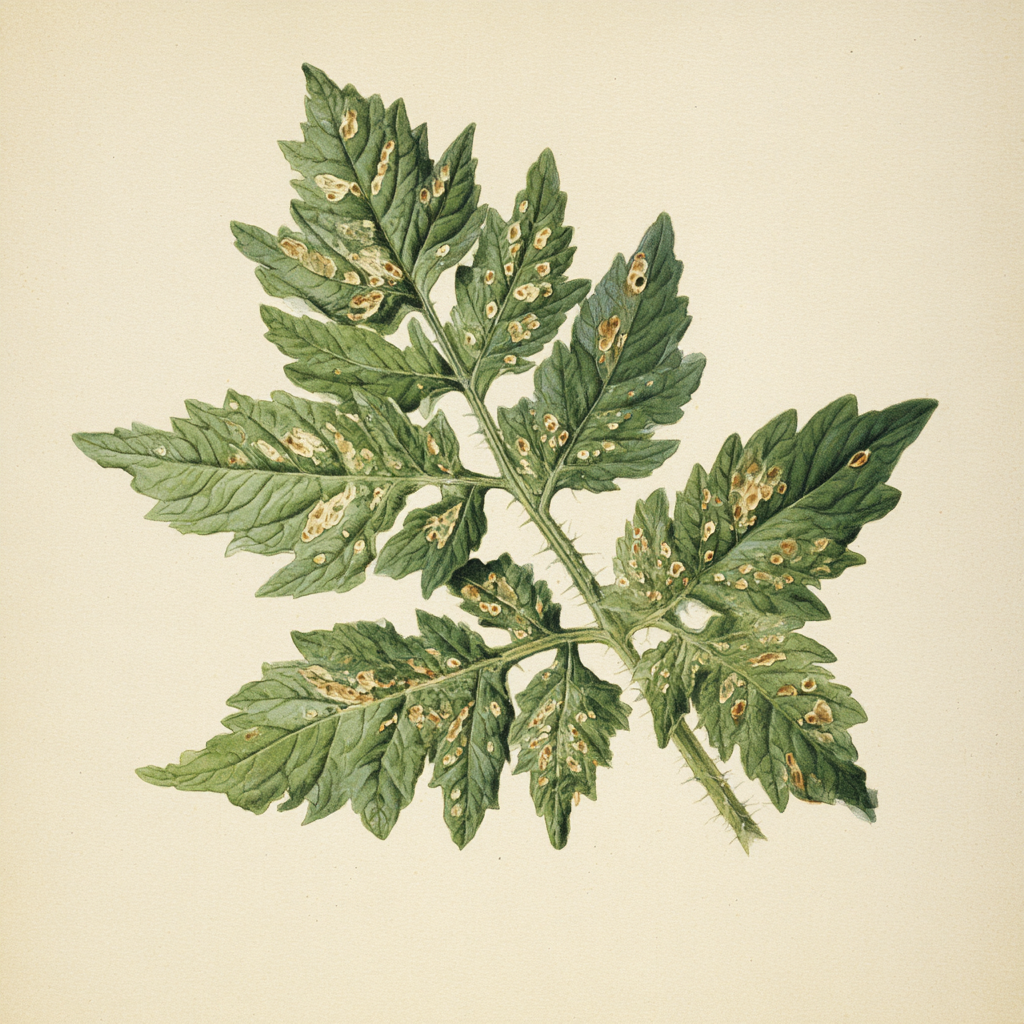
A group of related fungal diseases (primarily Colletotrichum species) causing dark, sunken lesions on fruits, leaves, and stems. Each strain is host-specific. It is most destructive on ripening fruits and berries, with infected produce rotting rapidly. Spores spread via water splash and are most active in warm, humid conditions.
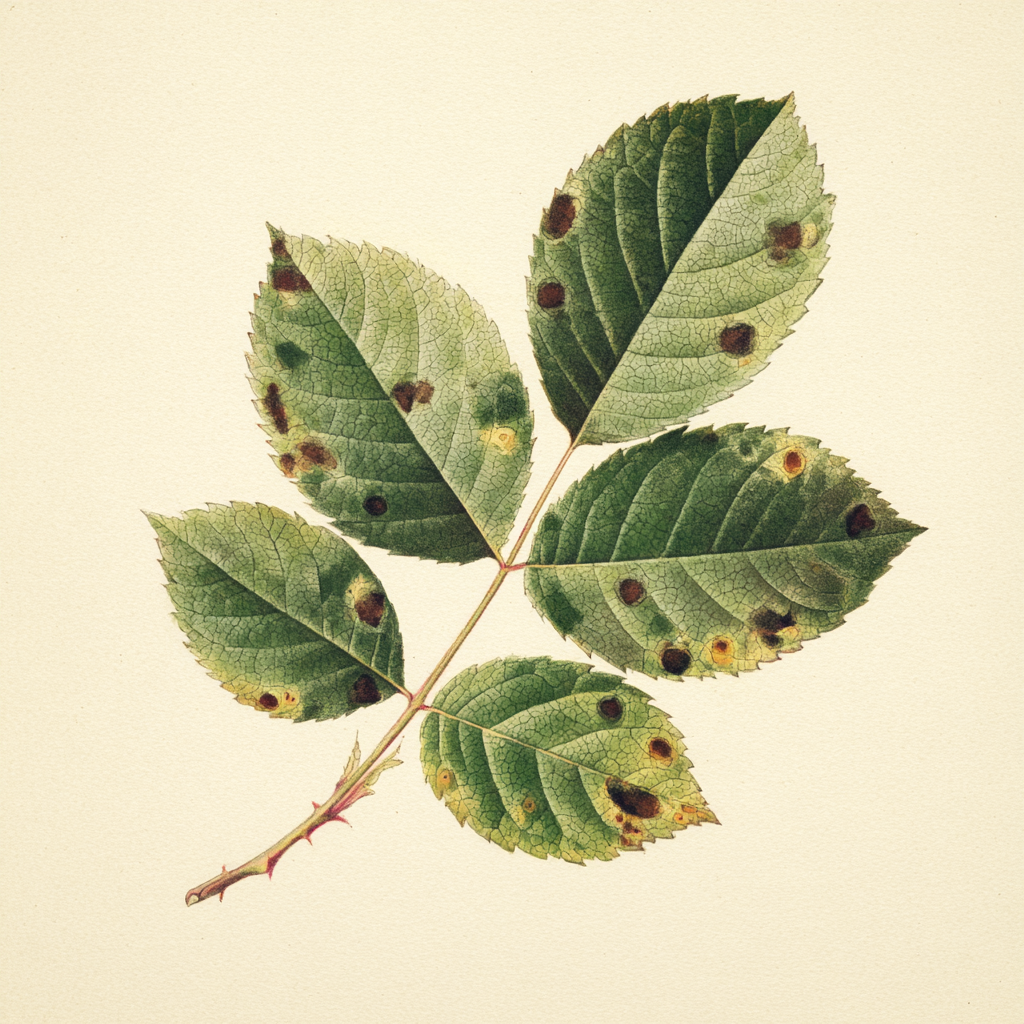
A fungal disease primarily associated with roses but also affecting cane fruits in the garden (as related Diplocarpon species). It thrives in warm, wet conditions and can cause severe defoliation. The fungus overwinters on fallen leaves and infected canes, and spreads by rain splash in spring.
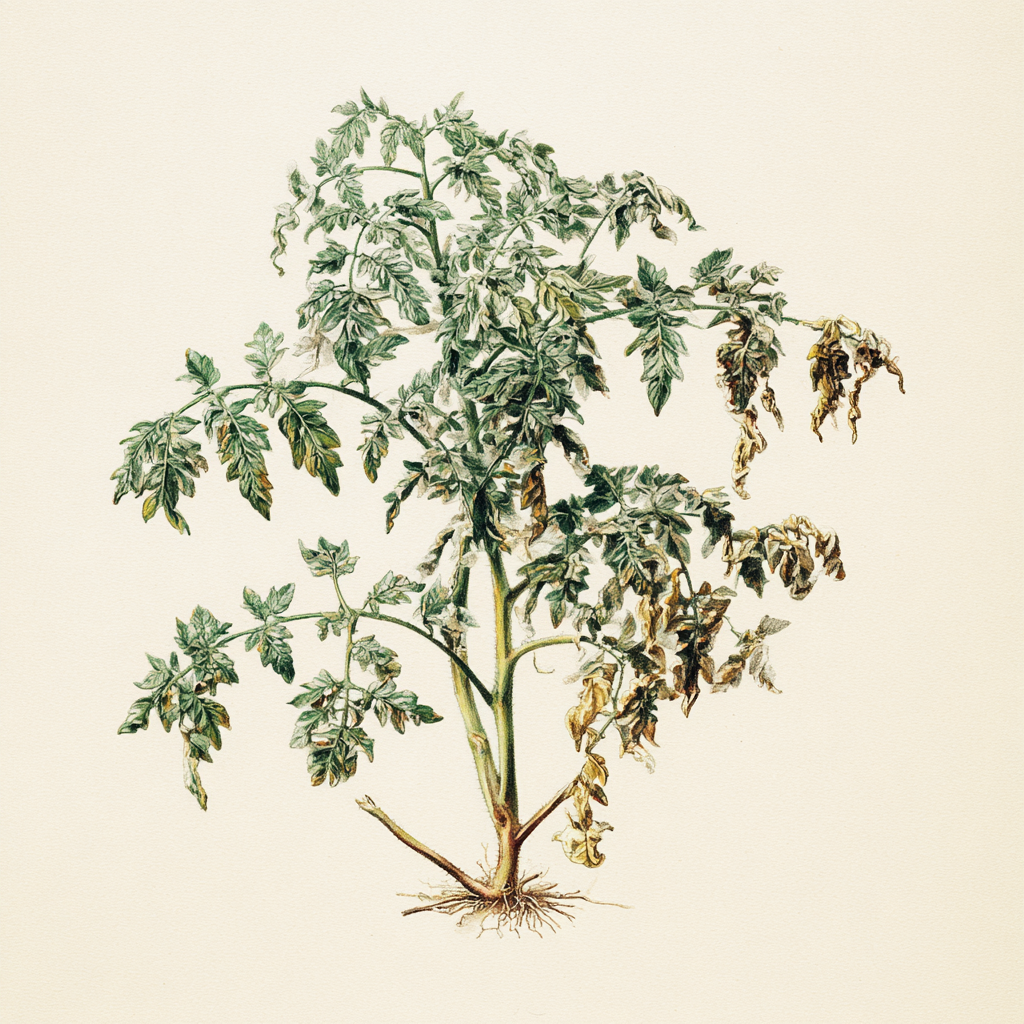
A soil-borne fungal disease caused by Verticillium dahliae and V. albo-atrum that colonises the vascular system similarly to Fusarium wilt. It affects a very wide range of plants and can persist in the soil for many decades. It is most severe in cool soils in spring and autumn, and particularly problematic on strawberries and stone fruits.

Venturia inaequalis is the most widespread apple disease in temperate climates. It overwinters in fallen leaves on the soil surface and releases spores in spring during wet weather, infecting young leaves and fruitlets. Infections in cool, wet springs can be severe enough to defoliate trees and render the entire crop unmarketable. Warm, dry summers significantly reduce infection pressure after initial spring infection.

A fungal disease causing dark bullseye-patterned spots on leaves and stems, often triggering early defoliation and reducing yield in warm, wet conditions.

A fungal disease that causes rapid rotting of fruit on the tree, producing distinctive concentric rings of powdery buff-coloured spore pustules.

A fungal disease of raspberry and blackberry canes causing dark lesions at the base of laterals, wilting of fruiting shoots, and cane death.

A fungal disease causing small purple-centred elliptical spots on raspberry and loganberry canes that enlarge into pale-centred cankers, sometimes girdling the cane.

A fungal disease causing circular grey or tan spots with dark borders on beetroot, chard, and spinach leaves, which enlarge and merge to cause early defoliation.

A soil-borne fungal disease that rots the crown and roots of asparagus and other crops, causing progressive dieback of ferns and eventual loss of the planting.

A rust fungus causing bright orange powdery pustules on leek and allium leaves, weakening plants and reducing bulb and stem size but rarely killing established crops.

A rust fungus causing distorted and swollen shoot tips in spring and bright orange spore pustules on leaves and stems through summer and autumn.

A two-stage fungal disease of blueberries causing shoot blight in spring followed by infected berries that shrivel into hard tan mummified fruits.

A fungal disease of stored onions and garlic that causes softening and rotting around the neck, often not becoming visible until weeks after harvest.

A soil-borne fungal disease that infects onion and leek seedlings in cool wet conditions, causing dark streaks on cotyledons and leaves and plant death.

A fungal disease that infects peach and nectarine leaves at bud break, causing dramatic red-blistered curling of leaves which drop early, weakening the tree.

A fungal disease of pears causing dark olive-green velvety spots on leaves and fruits, leading to cracked, deformed, and unmarketable fruit in wet seasons.

A soil-borne fungal disease of alliums causing fluffy white fungal growth and black sclerotia at the base of bulbs, rotting roots and killing plants.

A range of fungal pathogens causing rapid browning and death of large areas of leaf tissue, often spreading through a canopy quickly in warm, humid conditions.

A soil-borne pathogen causing rough, corky, raised or pitted scabs on the skin of potato and beetroot tubers; plants remain healthy but tubers are blemished.

A fungal disease that replaces corn kernels with large silver-grey galls that burst to release masses of black powdery spores, dramatically reducing yield.
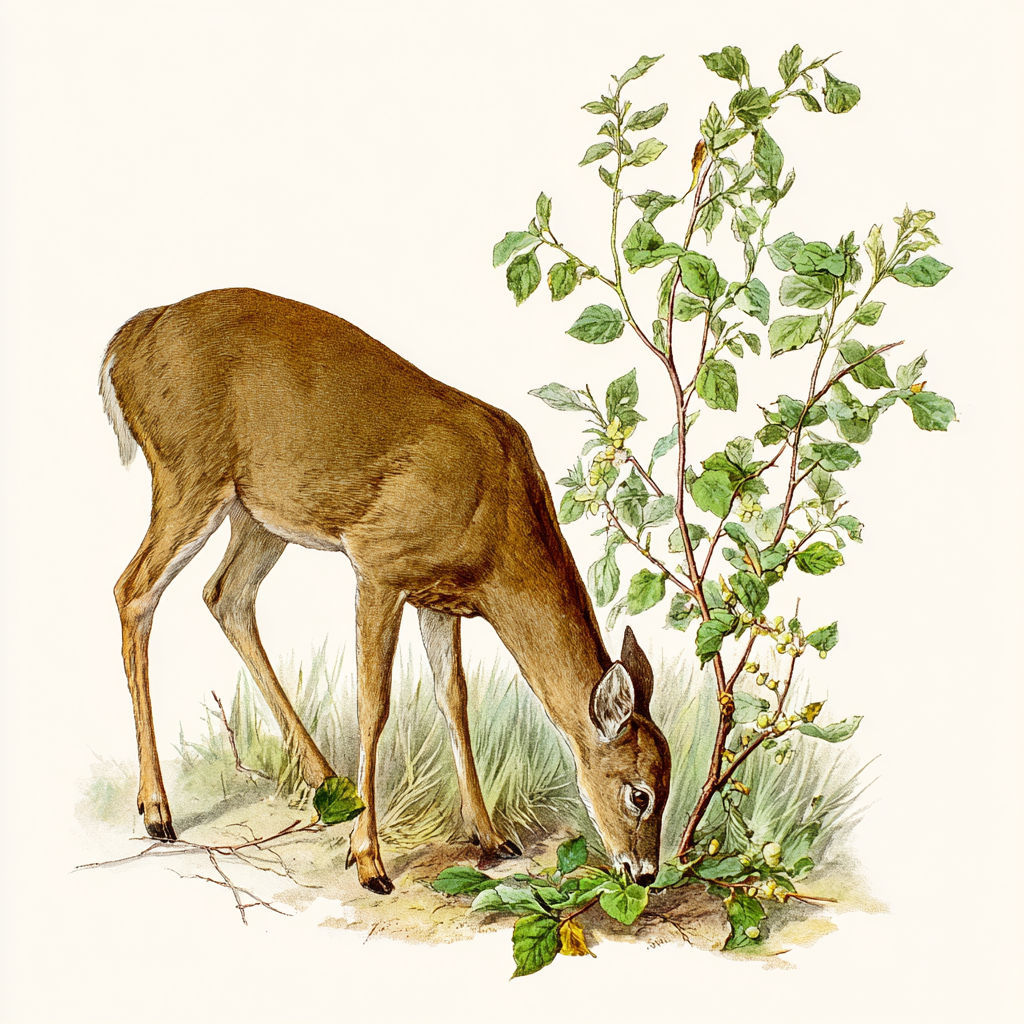
Deer can cause severe damage to gardens overnight, browsing a very wide range of plants. They are most active at dusk and dawn and are more destructive in late winter and early spring when natural forage is scarce. A single deer visit can destroy beds that took months to establish, and once deer find a food source they return reliably.
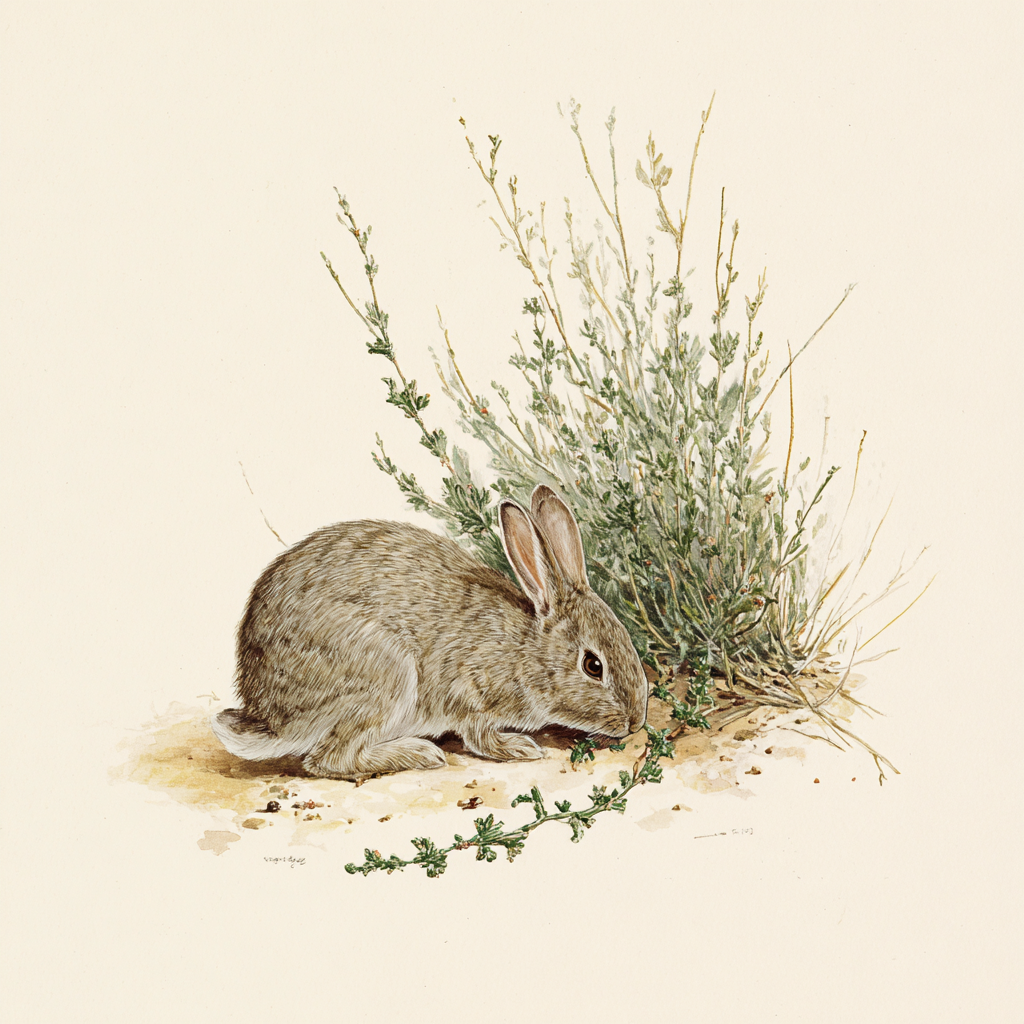
Rabbits can cause substantial damage to gardens, particularly in early spring when other forage is limited. They target tender young growth and low-growing crops and a small family group can cause losses disproportionate to their size. They make clean, angled cuts - the opposite of the ragged tearing caused by deer.
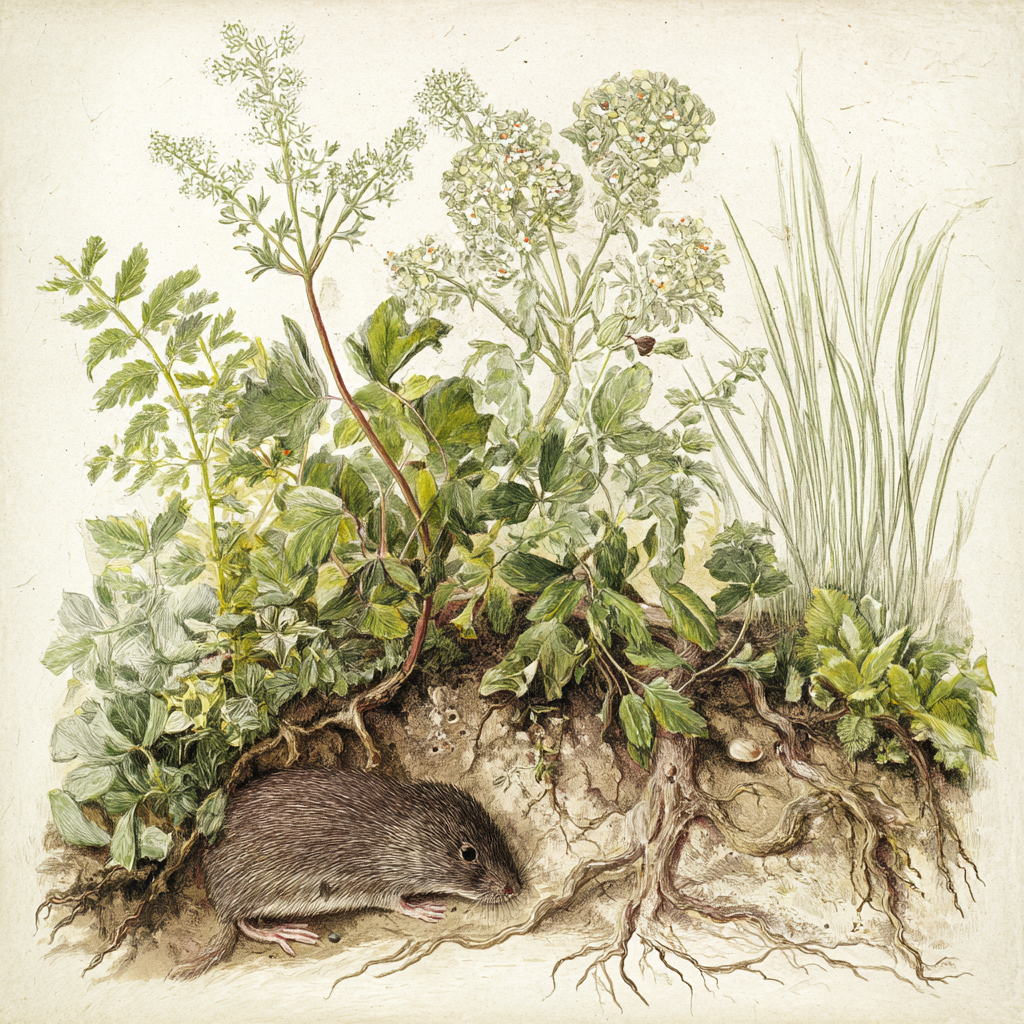
Voles are small rodents that create surface and subsurface tunnels and feed on roots, bulbs, and tubers. Moles are insectivores that eat grubs and earthworms - their tunnelling can uproot plants but they do not eat plant material. Both are present in most gardens; voles cause the primary plant damage.

Various bird species that feed on fruit, seeds, seedlings, and soft growth; wood pigeons strip brassica leaves while smaller birds peck ripening fruit and freshly sown seed.