Garden
by Willowbottom
More
Natural solutions for pests, diseases, and soil health
100% Organic Solutions Only
Every remedy listed here is organic, naturally derived, and safe for soil life, beneficial insects, and wildlife.
What problem are you dealing with?
20 remedies
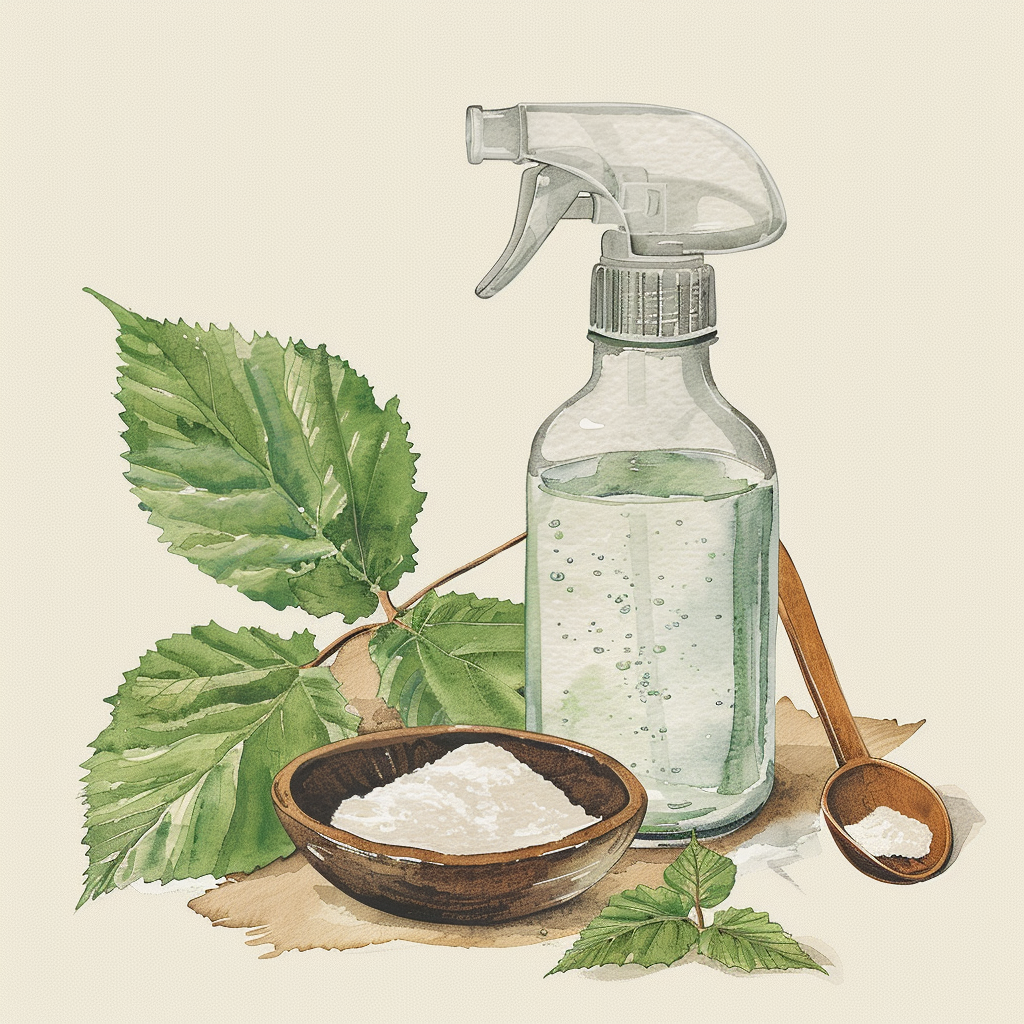
A simple alkaline spray made from sodium bicarbonate that raises leaf surface pH to create conditions unfavourable for fungal growth.

A stable, porous carbon material produced by heating organic matter without oxygen that improves soil structure, water retention, and microbial habitat for decades.

A traditional combination of copper sulfate and hydrated lime that provides strong fungal and bacterial disease protection, particularly effective on fruit trees and vines.

An aerated liquid extract brewed from finished compost that delivers concentrated populations of beneficial microorganisms to plant roots and leaf surfaces.

A broad-spectrum copper-based fungicide and bactericide that protects against a wide range of fungal and bacterial diseases on vegetables, fruit, and ornamentals.

A fine powder made from fossilised diatom shells that damages the exoskeletons of crawling insects and causes them to dehydrate.

A naturally mined mineral used as a fungicide and as a slow soil acidifier for blueberries and other acid-loving plants when a soil test shows pH is too high.

Magnesium sulfate crystals dissolved in water that correct magnesium deficiency, the most common cause of interveinal leaf yellowing in garden crops.

A partially decomposed fish by-product liquid fertiliser that provides a fast-acting, balanced source of nitrogen, phosphorus, and potassium with a wide range of trace minerals.

A highly refined mineral or plant-based oil applied as a spray that smothers soft-bodied insects, scale insects, and overwintering pest eggs by blocking their air supply.

A contact spray made from potassium fatty acid salts that kills soft-bodied insects on direct application without leaving harmful residues.

A fine mineral clay applied as a spray that forms a white particle film on plant surfaces, deterring and confusing pest insects.

A concentrated preparation of beneficial mycorrhizal fungi applied to plant roots to establish a symbiotic network that dramatically expands nutrient and water uptake.

A cold-pressed vegetable oil derived from the neem tree that disrupts the life cycle of a wide range of soft-bodied and sucking insects.

A fast-acting natural insecticide derived from chrysanthemum flowers that disrupts insect nerve function on contact.

Lightweight fabric covers placed over crops to physically exclude flying and crawling pest insects while allowing light, air, and water to penetrate.

A liquid extract of kelp or other seaweeds that provides a broad spectrum of micronutrients, trace elements, and natural plant hormones to support overall plant health.

A bacterial-derived insecticide that is highly effective against caterpillars, thrips, and certain beetles while being safer for most beneficial insects than conventional alternatives.

Ash from untreated wood that supplies potassium and calcium, raises soil pH, and doubles as a physical deterrent against slugs and snails.

The digested organic matter produced by earthworms, rich in beneficial microbes, balanced nutrients, and plant growth hormones.