
Early Blight
A fungal disease caused by Alternaria solani that affects tomatoes and related crops. It begins on the oldest lower leaves and progressively moves up the plant over the season. It rarely kills established plants outright but reduces vigour, causes premature defoliation, and can significantly reduce yield.
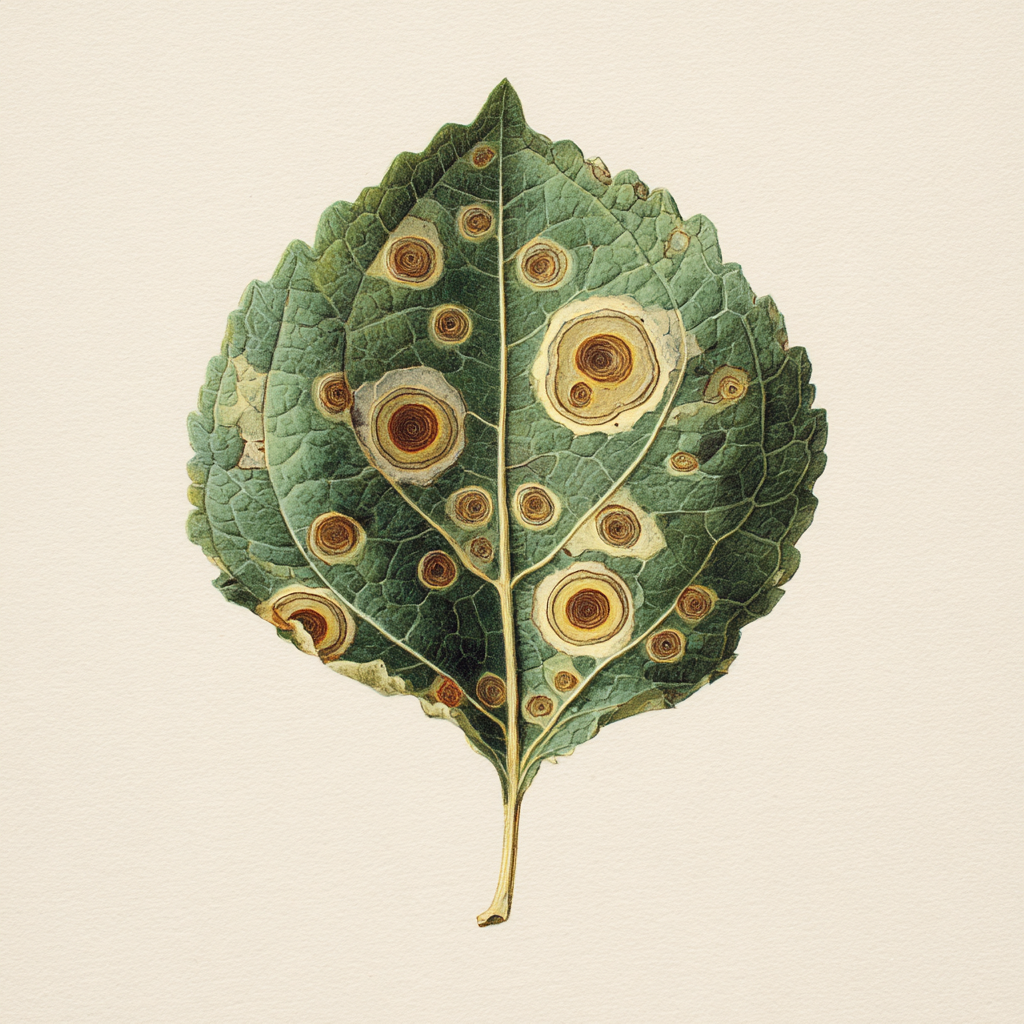
Symptoms to Look For
- Dark brown or black target-shaped spots on lower, older leaves - the bullseye pattern is diagnostic
- Concentric rings within each spot, resembling a dartboard or tree rings
- Yellow halo of chlorotic tissue surrounding the dark central spot
- Affected leaves yellowing fully and dropping prematurely
- Lesions first appearing on the lowest leaves and steadily advancing upward over weeks
Affected Plants
Organic Solutions
Remove Affected Leaves Promptly
At the first sign of target spots, remove all affected lower leaves and dispose of them away from the garden in household waste. Never compost blighted material. This single action significantly slows the upward spread of the disease.
Copper Fungicide Spray
Copper-based sprays (copper hydroxide or copper octanoate, approved for organic use) applied at the first sign of infection protect remaining healthy tissue. Apply every 7–14 days. Use sparingly — copper accumulates in soil over time and can harm earthworms and soil biology at high concentrations. Reserve for significant disease pressure.
Neem Oil
Apply neem oil spray to the entire plant every 7 - 14 days from transplant time as a preventive. The antifungal compounds in neem suppress Alternaria spore germination and early colonisation.
Compost Tea
Regular applications of aerated compost tea inoculate leaf surfaces with beneficial microorganisms that compete with pathogenic fungi. Apply as a foliar spray in the morning every two weeks as a preventive.
Organic Remedies
Prevention
- Mulch heavily around the base of all nightshade plants - most early blight inoculum lives in the soil and is splash-distributed onto lower leaves by rain and irrigation
- Rotate tomato family crops with at least 3 years between plantings in the same bed - Alternaria spores survive in crop debris in the soil
- Water at the base of plants only, and avoid wetting foliage, particularly in the evening when moisture persists overnight
- Apply aerated compost tea as a foliar spray every two weeks from transplanting — plants growing in biologically active soil with regular compost tea applications show significantly better resistance to Alternaria. Botanical brew made from comfrey and nettle strengthens cell walls, making them more resistant to fungal penetration
Garden, by Willowbottom recommends only organic, wildlife-friendly solutions. No synthetic pesticides, no harmful chemicals - ever.