Earwigs
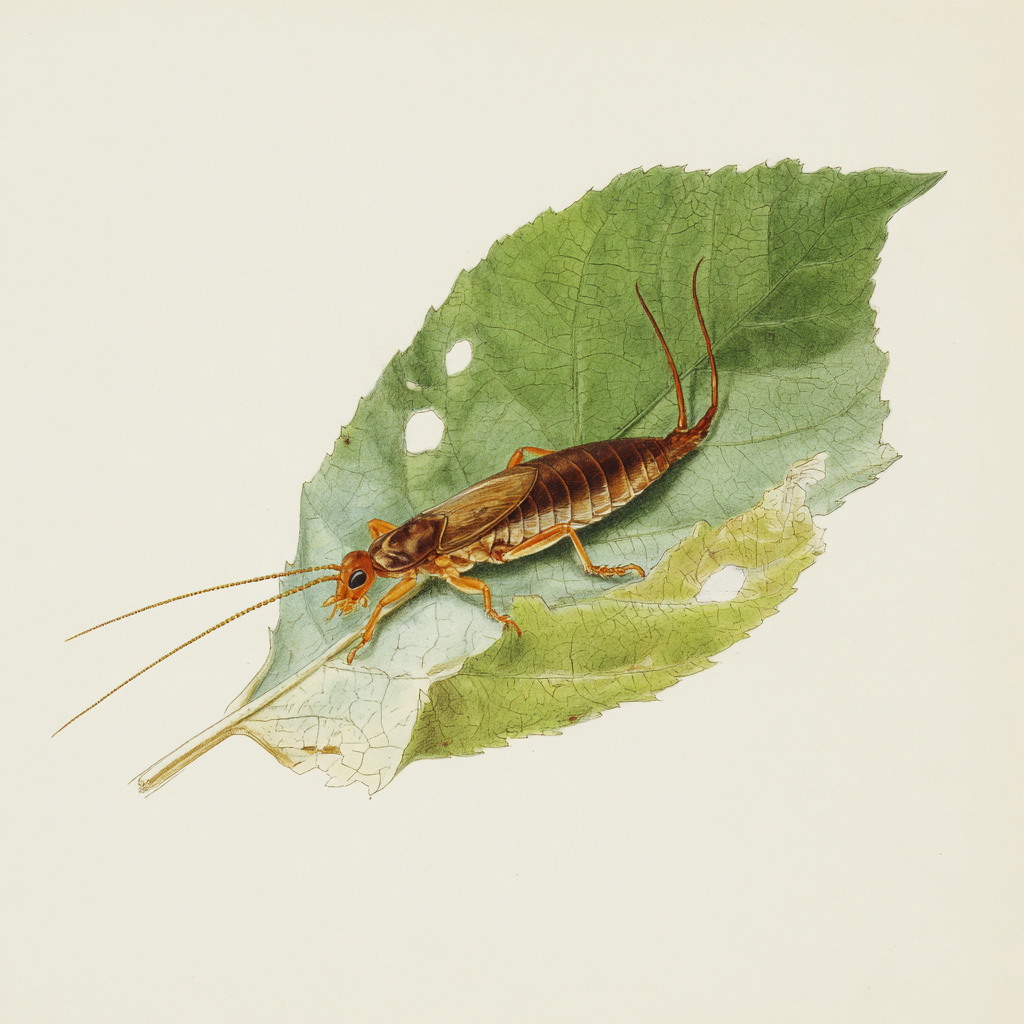
Brown nocturnal insects (12 - 15 mm) with characteristic rear pincers. They are omnivores - they eat both plant material and pest insects including aphids, mites, and small caterpillars. In most gardens they are more beneficial than harmful; significant damage occurs only when populations are very high or plants are already stressed.
Symptoms to Look For
- Ragged, irregular holes in petals and soft flower tissue, particularly in dahlias, calendula, and zinnias
- Seedlings and young transplants with notched or eaten leaves discovered in the morning
- Stippled or pitted leaf surfaces on soft-leaved plants
- Visible insects found in curled leaves, inside flowers, under mulch, or in any crevice at night
Affected Plants
Organic Solutions
Trap Tubes
Roll damp newspaper into a loose cylinder or use short lengths of garden hose placed near affected plants. Earwigs shelter in them overnight. Collect traps each morning and relocate the earwigs well away from the garden, or dunk in soapy water.
Diatomaceous Earth
Apply a light dusting of food-grade diatomaceous earth around the base of vulnerable plants as a targeted barrier. Apply as a targeted barrier only — it harms all insects including beneficial ones — so keep it narrow and focused on paths of travel, not broadcast across the bed.
Sticky Barriers
Apply a band of tanglefoot or horticultural grease around pot rims and stakes to prevent earwigs climbing up to reach plants from the ground.
Organic Remedies
Prevention
- Earwigs are largely beneficial - they consume aphids, mites, and other pests. Control only when damage is clearly significant and not tolerable
- Reduce refuges near vulnerable plants: lift pots, stones, and debris during the day that provide earwig shelter
- Earwig populations self-regulate when ground beetles, birds, and other predators are present in a healthy garden ecosystem
Garden, by Willowbottom recommends only organic, wildlife-friendly solutions. No synthetic pesticides, no harmful chemicals - ever.