Rabbits
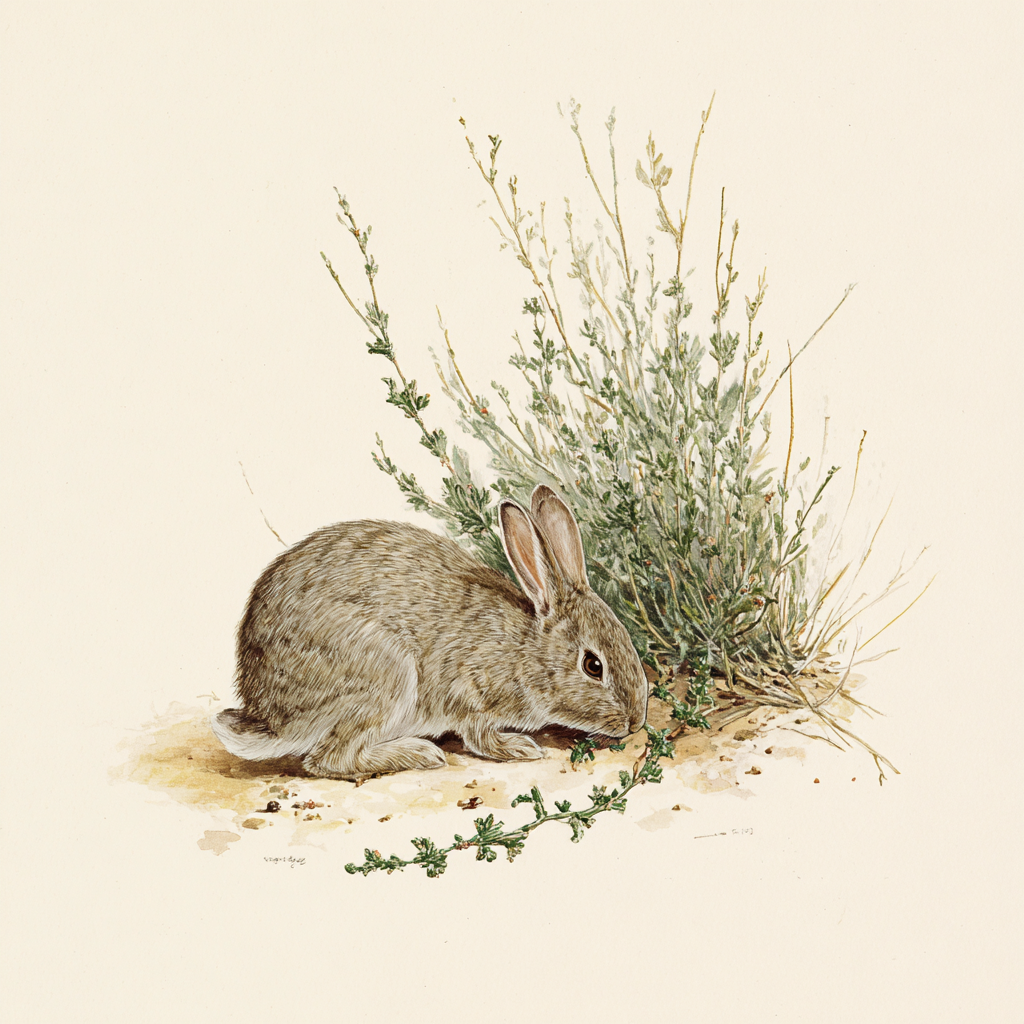
Rabbits can cause substantial damage to gardens, particularly in early spring when other forage is limited. They target tender young growth and low-growing crops and a small family group can cause losses disproportionate to their size. They make clean, angled cuts - the opposite of the ragged tearing caused by deer.
Symptoms to Look For
- Plants eaten cleanly down to stumps with precise 45-degree angled cuts on stems
- Low-growing crops disappearing overnight, particularly in early spring when other forage is scarce
- Seedlings removed entirely at soil level
- Small, round black droppings (5 - 8 mm) scattered near damage
- Bark gnawed cleanly from young fruit trees at ground level in winter, sometimes girdling stems
Affected Plants
Organic Solutions
Wire Mesh Fencing
A 90 cm high fence of fine wire mesh (2.5 cm or smaller openings), buried 15 - 20 cm deep with the buried section bent outward (away from the garden), is the most reliable long-term solution. Rabbits are determined burrowers; the underground apron prevents tunnelling under.
Individual Plant Guards
Wrap small wire mesh cylinders (hardware cloth) around the base of young fruit trees and vulnerable transplants to protect stems from gnawing. Particularly important for bark protection in winter when other food is scarce.
Scent Deterrents
Blood meal, predator urine, human hair, and strongly-scented soap shavings can temporarily deter rabbits. These need regular renewal, particularly after rain, and become less effective as rabbits habituate over time. Use as a supplement to physical barriers.
Encourage Natural Predators
Foxes, hawks, and owls are effective rabbit predators. Avoid deterring these animals - an active hawk territory or resident fox significantly reduces rabbit populations. Install nest boxes for kestrels and barn owls.
Prevention
- Install permanent perimeter fencing before rabbit populations build - exclusion is always easier and less effort than deterrence
- Protect all individual seedlings and transplants with wire cloches during the early growth period when they are most vulnerable
- Plant aromatic perimeter companions - lavender, sage, rosemary, and marigolds - along garden borders as a secondary deterrent
Garden, by Willowbottom recommends only organic, wildlife-friendly solutions. No synthetic pesticides, no harmful chemicals - ever.