Anthracnose
A group of related fungal diseases (primarily Colletotrichum species) causing dark, sunken lesions on fruits, leaves, and stems. Each strain is host-specific. It is most destructive on ripening fruits and berries, with infected produce rotting rapidly. Spores spread via water splash and are most active in warm, humid conditions.
Symptoms to Look For
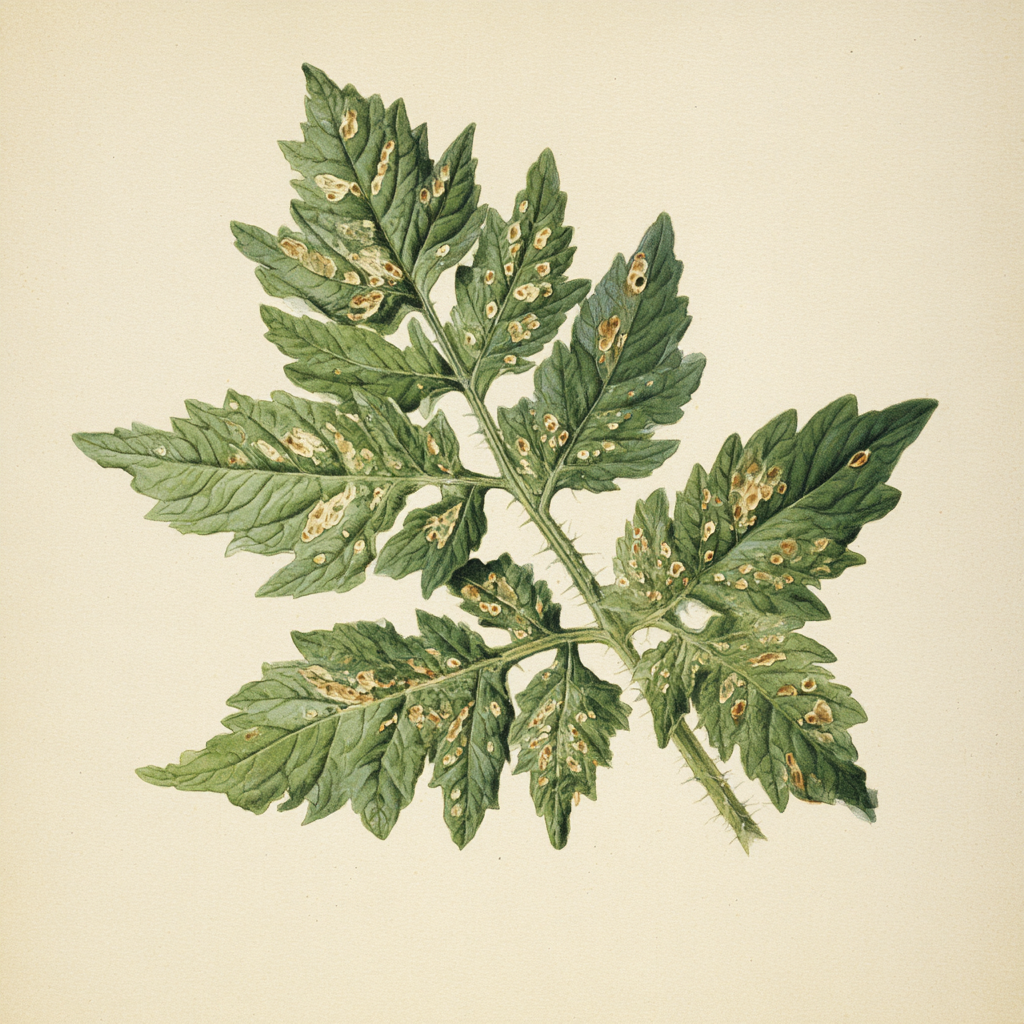
- Dark, circular, sunken spots appearing on ripe or ripening fruit
- Spots enlarge and may develop concentric rings; salmon-pink spore masses form in the centre of older lesions
- Dark, water-soaked lesions on leaves, particularly near the margins
- Infected fruits rotting rapidly and becoming completely unusable
- Dark cankers forming on stems, particularly near the soil line
Affected Plants
Organic Solutions
Remove Infected Material
Remove and destroy all affected fruits, leaves, and stems immediately. The pathogen spreads rapidly through water droplets - removing sporulating tissue substantially reduces disease pressure.
Copper-Based Fungicide Spray
Copper fungicide applied preventively provides strong protection against anthracnose. Apply before conditions become favourable (warm, humid weather) and repeat after removing infected tissue to protect remaining healthy growth. Use sparingly — copper accumulates in soil over time and can harm earthworms and soil biology at high concentrations.
Drip or Soaker Irrigation
Replace overhead watering with drip or soaker irrigation. Anthracnose spores spread via water droplets splashing between plants - eliminating overhead leaf-wetting reduces infection rates substantially.
Prevention
- Use drip irrigation or soaker hoses rather than overhead sprinklers for all susceptible crops
- Practice crop rotation - Colletotrichum overwinters in infected debris in the soil for 2 - 3 years
- Harvest fruit promptly at peak ripeness; overripe fruit on the vine provides primary entry points for infection
Garden, by Willowbottom recommends only organic, wildlife-friendly solutions. No synthetic pesticides, no harmful chemicals - ever.