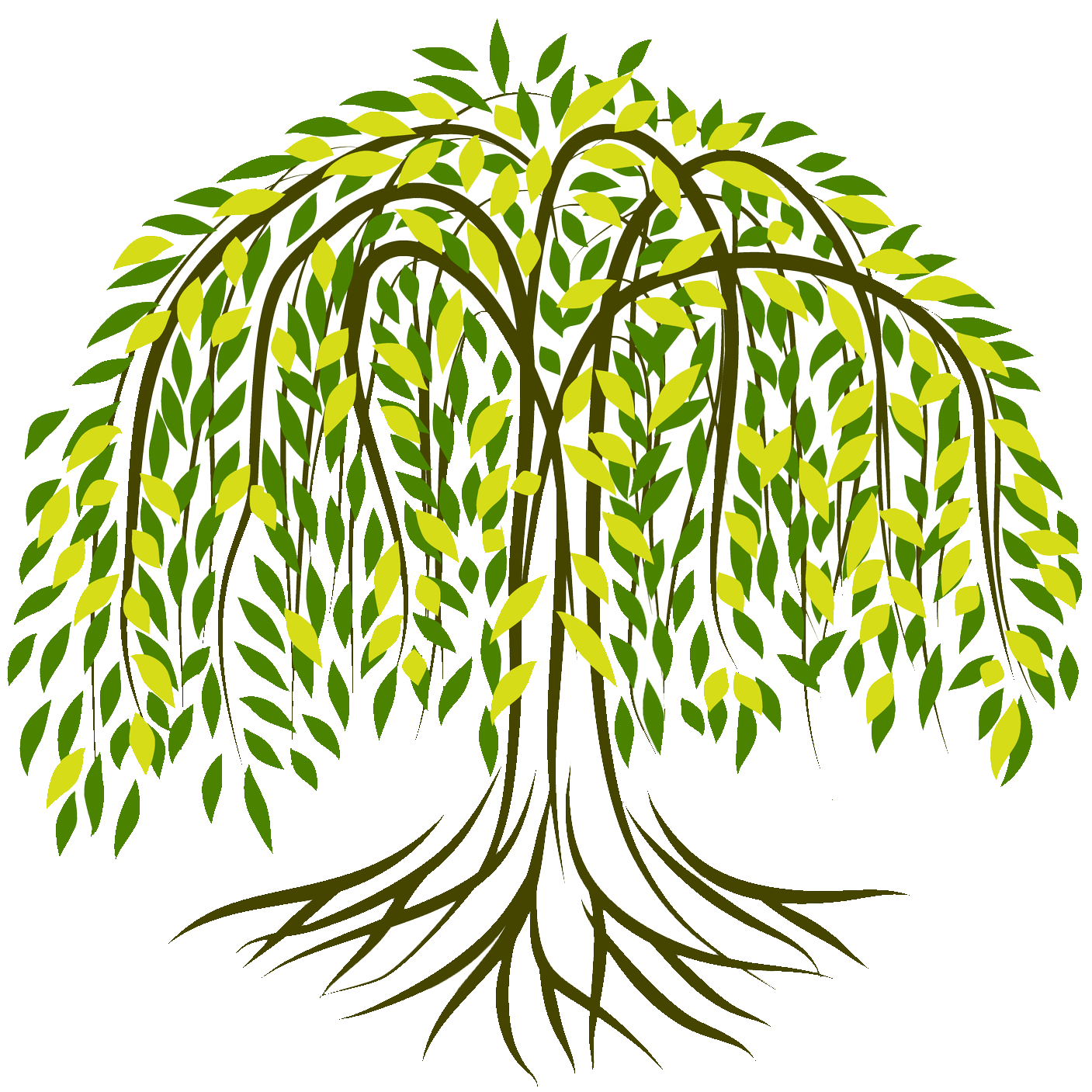
Black-Eyed Susan
FlowerRudbeckia hirta
Have seeds for this? Add to inventory →Black-eyed Susans are cheerful native perennials that bloom profusely in late summer and autumn, filling a gap when many earlier flowers fade. Their golden flowers attract native bees, butterflies, and parasitic wasps essential to garden health.
Native Range
- Origin
- Native across much of eastern and central North America, from the Atlantic provinces and southeastern Canada south to the Gulf Coast and west to the Rocky Mountains.
- Native Habitat
- Sunny prairies, meadows, open woodlands, roadsides, dry slopes, and disturbed fields where seedlings can establish in exposed soil with minimal competition.
- Current Distribution
- Native across eastern and central North America, widely cultivated as an ornamental throughout temperate regions, and often naturalized in disturbed open ground beyond its native range.
Growing Conditions
Sunlight
Full Sun
Water Needs
Low
Soil
Well-draining loam; pH 6.0 - 7.0; tolerates poor, dry soil
Spacing
18 - 24 inches
Days to Maturity
Perennial; blooms prolifically from year 2
Growing Zones
Thrives in USDA Zones 3 - 9
Companion Planting
When to Plant
Transplant
Spring or autumn
Direct Sow
Surface sow in spring (needs light to germinate)
Harvest
Leave seed heads for birds through winter
Phenology (Natural Timing Cues)
Direct Sow
Surface sow black-eyed Susan during mild windows when tiny seed can stay moist and exposed to light.
- Dandelion bloom is fading.
- Soil surface is warming and not crusting.
- Light rains or gentle watering can keep the surface moist.
Transplant
Transplant black-eyed Susan as rosettes can root before summer heat or winter dormancy.
- Dandelion bloom is fading.
- Soil is warming and drains cleanly.
- First cool nights are returning for fall transplants.
Start Dates (Your Location)
Based on your saved growing zone and this plant's timing notes.
Best Planting Window
Spring window
Spring
Plant early enough for roots to settle before summer heat.
Autumn window
Early autumn
Plant early enough for roots to grow before winter; avoid late planting into cold, wet soil.
Planting Method
Use nursery-grown planting stock rather than treating this as a standard seed-starting crop.
Critical Timing Note
Plant early enough for roots to establish before weather stress arrives.
Organic Growing Tips
Leave seed heads standing through autumn and winter to feed finches and other seed-eating birds.
Combine with echinacea and yarrow for a long-blooming, low-maintenance beneficial insect border.
Deadhead spent flowers to extend bloom season, but leave some for seed.
Mulch lightly with leaf mould or bark and allow cut stems to decompose in place — black-eyed Susan is a native wildflower adapted to building soil organically over time, and its root channels improve drainage and earthworm habitat for the whole bed.
Common Pests
- Aphids
- Powdery Mildew
- Septoria Leaf Spot
All pest management in Garden uses safe, organic, non-toxic methods only. No synthetic pesticides, ever.
Taxonomy
- Kingdom
- Plantae
- Family
- Daisy family (Asteraceae)
- Genus
- Rudbeckia
- Species
- Rudbeckia hirta
Natural History
Black-eyed Susan (Rudbeckia hirta) is native to eastern and central North America, from the Atlantic coast west through the Great Plains, thriving in prairies, meadows, roadsides, and disturbed ground where competition from taller plants is reduced. It is a classic disturbance follower - one of the first species to colonize after fire, grazing, or soil disruption - and spread visibly along road and railway corridors as these were built across North America in the 19th century. The genus Rudbeckia was named by Carl Linnaeus in honor of his teacher Olof Rudbeck the Younger, the Swedish botanist who taught him at Uppsala University. The dark center of each flower is not a single structure but a composite of dozens of tiny disc florets packed into a raised cone; the yellow "petals" surrounding it are individual ray florets - characteristic of the daisy family (Asteraceae) to which it belongs. This cone persists through winter as the disc florets mature into seeds, making dried heads a significant food source for finches and other seed-eating birds. Black-eyed Susan is the state flower of Maryland (adopted 1918) and gives its name to the Black-Eyed Susan Stakes at Pimlico Race Course. Its close relative Rudbeckia fulgida - which includes the widely planted cultivar Goldsturm - is botanically distinct but treated interchangeably in most garden contexts.
Traditional Use
Black-eyed Susan's primary cultural significance is ecological and ornamental rather than medicinal. It is a native prairie wildflower whose value in habitat gardening and meadow restoration has made it one of the most planted native perennials in North America. Its documented Indigenous use is real but modest compared to related plants in the same family, such as echinacea.
Parts Noted Historically
Indigenous North American Medicinal Traditions - Roots and aerial parts
Several Indigenous nations of eastern North America recorded uses for Rudbeckia hirta. The Cherokee used root preparations externally for sores and swellings and as ear drops for earaches, and took preparations internally for colds. The Ojibwe used the plant in cold and flu contexts. These uses are documented in ethnobotanical records and reflect the plant's chemical profile - it shares flavonoids and some alkaloids with its close relative echinacea, to which it is taxonomically adjacent within the daisy family.
State Flower and Cultural Symbolism - Flowers
Black-eyed Susan was adopted as the state flower of Maryland in 1918, reflecting its abundance in the state's meadows and roadsides and a broader celebration of native wildflower heritage during an era when native plant appreciation was growing in American culture. The Black-Eyed Susan Stakes at Pimlico Race Course, part of the Triple Crown circuit, has been run since 1919 and takes its name directly from the flower.
Native Plant and Meadow Restoration Traditions - Flowers and seed heads
From the mid-20th century onward, black-eyed Susan became a cornerstone of the native plant gardening movement in North America, valued for drought tolerance, pollinator support, and suitability for low-maintenance meadow plantings. It is among the most frequently used species in highway and public land wildflower seeding programs, and its self-sowing character makes it a model plant for ecologically restorative gardening.
Black-eyed Susan is not a culinary plant. Contact with the bristly leaves and stems can cause mild skin irritation in sensitive individuals - standard precaution for rough-leaved members of the daisy family.
This information is provided for historical and educational purposes only and is not medical advice. Always consult a qualified healthcare professional before making decisions related to your health.
Morphology (Plant Structure & Identification)
Root System
Fibrous perennial root system with a crown that can overwinter and sometimes self-sown seedlings nearby.
Stem
Upright, bristly stems that branch near the top and hold flowers above the foliage.
Leaves
Rough, hairy lance-shaped to oval leaves, larger near the base and smaller up the stems.
Flowers
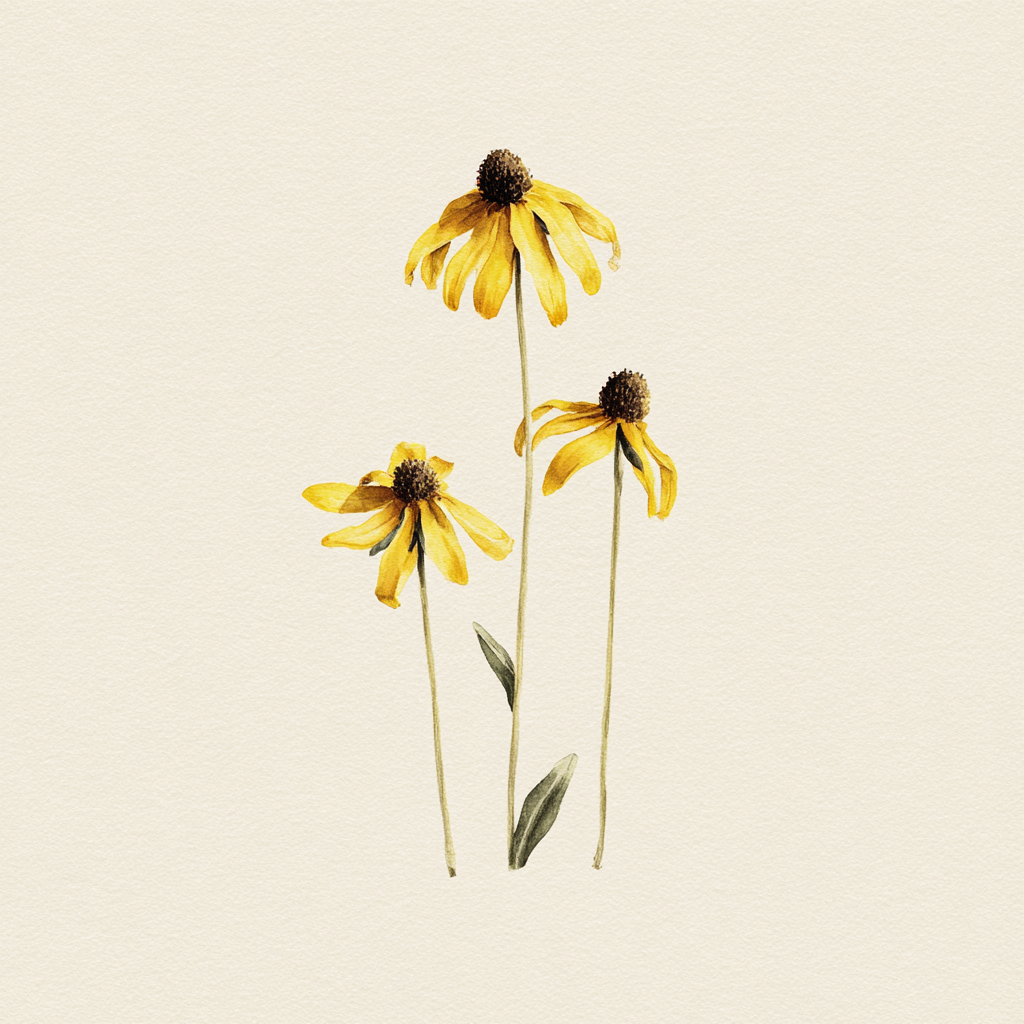
Golden-yellow ray florets surrounding a dark raised cone; flowers are held singly on sturdy stems.
Fruit
Small dry achenes packed into the dark cone after petals fade, often eaten by seed-feeding birds.
Known Varieties
Common cultivars worth knowing
- Best for: bold perennial color
Indian Summer
Large golden flowers on tall, sturdy plants.
- Best for: reliable perennial borders
Goldsturm
Widely grown Rudbeckia fulgida cultivar with tidy clumps and long bloom.
- Best for: bright meadow plantings
Prairie Sun
Green-eyed bicolor flowers with yellow tips and orange centers.
- Best for: cut flowers
Cherokee Sunset
Semi-double and double blooms in gold, bronze, and mahogany tones.
- Best for: showy annual-style beds
Denver Daisy
Large yellow flowers with dark red rings around the cone.
Loading photo submission…